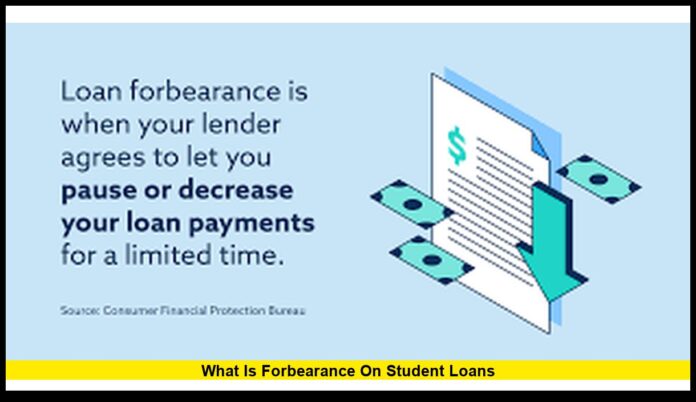
What is forbearance on student loans remains one of the most important questions for U.S. borrowers navigating repayment challenges. Forbearance allows eligible student loan borrowers to temporarily pause or reduce monthly payments when financial hardship makes repayment difficult. While it offers short-term relief, it also carries long-term consequences that every borrower should understand before using it.
This article explains how forbearance works today, who qualifies, how interest is handled, and how it fits into the current student loan repayment environment in the United States.
Table of Contents
Understanding Student Loan Forbearance
Forbearance on student loans is a temporary repayment option approved by loan servicers. It allows borrowers to stop making payments or make reduced payments for a limited period. This option is commonly used during financial stress such as job loss, medical expenses, or sudden income changes.
Forbearance does not cancel or reduce debt. The loan remains active, and repayment resumes when the forbearance period ends. This option is most often associated with federal student loans, though some private lenders offer similar programs under different terms.
Why Forbearance Still Matters for Borrowers
Student loan repayment has become more complex as policies change and borrowers adjust to resumed obligations. Many households are balancing student loans with rising living costs, making temporary relief essential.
Forbearance provides immediate breathing room. It prevents missed payments from turning into delinquency or default. For borrowers facing short-term financial instability, this option can stabilize finances while they explore longer-term repayment solutions.
How Forbearance Works in Practice
The process for entering forbearance is straightforward but requires action from the borrower.
First, the borrower contacts their loan servicer and requests forbearance. This can often be done online or by phone. The borrower explains the reason they cannot meet full payment obligations.
Next, the servicer reviews the request. Approval depends on the type of forbearance requested and the borrower’s circumstances. Once approved, the borrower receives confirmation outlining the start date, duration, and payment changes.
During forbearance, required payments stop or are reduced. At the end of the approved period, regular payments resume unless the borrower takes further action.
Types of Forbearance Available
There are two main forms of forbearance for federal student loans, each serving different situations.
General Forbearance
General forbearance is granted at the discretion of the loan servicer. It is commonly approved for financial hardship, illness, or temporary unemployment.
This type is usually approved for up to 12 months at a time. Borrowers may request extensions, but approval is not automatic.
Mandatory Forbearance
Mandatory forbearance must be granted when borrowers meet specific criteria set by federal rules. These cases often involve service obligations or structured repayment thresholds.
When eligibility is met, the servicer cannot deny the request.
Interest Accumulation During Forbearance
One of the most critical aspects of forbearance on student loans is interest behavior.
Interest continues to accrue daily on all federal loans during forbearance. This includes subsidized and unsubsidized loans. As a result, the total loan balance grows while payments are paused.
Borrowers may choose to pay interest during forbearance. Doing so prevents the balance from increasing and reduces future repayment costs. If interest is not paid, it may be added to the principal when forbearance ends.
How Long Forbearance Can Last
Forbearance is temporary by design. Most approvals last up to 12 months at a time. There may be limits on how much total time a borrower can spend in forbearance over the life of the loan.
Extensions require additional requests and approval. Borrowers should prepare for repayment to resume once the approved period ends.
Forbearance vs Other Repayment Options
Forbearance is not the only option for borrowers struggling with payments.
Income-driven repayment plans adjust monthly payments based on income and household size. These plans often result in lower monthly payments without stopping progress toward forgiveness.
Deferment may be available for borrowers in specific situations and may offer more favorable interest treatment on certain loans.
Forbearance is typically used when other options are unavailable or when immediate relief is needed.
Impact on Credit and Loan Status
When properly approved, forbearance does not harm credit. Payments are considered paused, not missed.
However, stopping payments without approval can lead to delinquency. Borrowers should always confirm forbearance status before missing a payment.
Maintaining communication with the loan servicer is essential.
When Forbearance Makes Sense
Forbearance can be helpful during short-term financial disruptions. Examples include temporary job loss, medical recovery, or delays in repayment plan processing.
It works best when used briefly and intentionally. Borrowers should avoid relying on forbearance repeatedly, as interest accumulation increases long-term costs.
Potential Drawbacks to Consider
The main drawback of forbearance is higher total debt. Interest accumulation can significantly increase the amount repaid over time.
Forbearance also does not typically count toward loan forgiveness timelines. This can delay progress for borrowers pursuing forgiveness options.
Understanding these tradeoffs is key before requesting forbearance.
Private Student Loan Forbearance
Private student loan forbearance differs from federal options. Terms vary by lender and are not governed by federal rules.
Some private lenders offer temporary payment pauses or reduced payments. Others may limit relief or charge additional fees. Borrowers must contact their lender directly to understand available options.
Planning Ahead After Forbearance
Borrowers should use forbearance as a planning period. Reviewing income, expenses, and repayment options during this time helps ensure a smoother transition back to repayment.
Setting reminders for the forbearance end date prevents missed payments. Exploring repayment alternatives early can reduce financial stress later.
Common Misunderstandings About Forbearance
Many borrowers believe forbearance stops interest. It does not.
Others assume forbearance eliminates debt. It only pauses payments.
Clearing up these misunderstandings helps borrowers make informed decisions.
What Is Forbearance on Student Loans in Today’s Repayment Landscape
Today, forbearance on student loans continues to serve as a vital short-term relief option for U.S. borrowers facing financial difficulty. It provides flexibility and protection from delinquency but increases loan balances if used for extended periods.
Borrowers who understand how forbearance works are better positioned to manage their student debt responsibly and avoid long-term financial strain.
Stay informed, share your perspective, and continue following student loan developments as repayment policies evolve.

