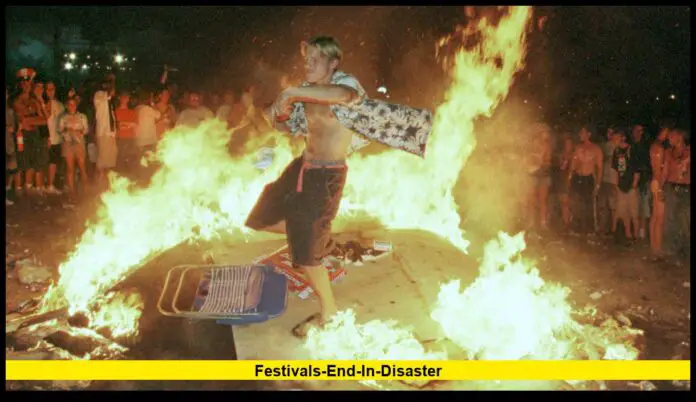
What is Fyre Festival has become a question that still sparks curiosity years after one of the biggest event failures in modern history. Marketed as a luxury music festival in the Bahamas, the event collapsed in 2017 and quickly became a cultural phenomenon for all the wrong reasons. Nearly a decade later, the story of Fyre Festival remains a defining example of how marketing hype and social media influence can go disastrously wrong.
Table of Contents
The Concept Behind Fyre Festival
Fyre Festival was conceived by entrepreneur Billy McFarland and rapper Ja Rule as an exclusive, high-end music experience designed to promote their new company, Fyre Media. The company’s app aimed to connect fans directly with artists for bookings and private performances. To launch the brand in a spectacular way, McFarland planned a massive festival that would showcase luxury, music, and celebrity culture on a tropical island.
The idea sounded irresistible — a glamorous escape featuring supermodels, yachts, gourmet food, and top-tier music acts. Tickets ranged from a few hundred dollars to more than $100,000 for VIP packages that promised private villas, celebrity meet-and-greets, and five-star catering.
At first glance, it looked like the ultimate status event for wealthy young travelers. But behind the scenes, almost everything that could go wrong did.
The Marketing That Fooled the World
The festival’s promotional campaign was one of the most successful viral marketing efforts ever created. A single coordinated social media post featuring a glowing orange square — shared by major influencers like Kendall Jenner, Bella Hadid, and Hailey Bieber — triggered global attention.
The accompanying trailer, filmed in the Bahamas, showed crystal-clear water, private jets, and top models promoting an image of luxury and exclusivity. Within days, thousands of tickets were sold.
However, there was one major problem: the event’s infrastructure, organization, and logistics were nowhere near capable of supporting what was promised.
The Reality on the Island
When attendees began arriving in April 2017, they expected luxury villas and celebrity treatment. Instead, they found a half-built campsite with disaster-relief tents, limited food and water, and almost no organization.
- The promised “private island” turned out to be a small section of Great Exuma in the Bahamas.
- Flights bringing guests to the site were delayed, and transportation was chaotic.
- The “gourmet meals” advertised online were instead cold cheese sandwiches served in styrofoam containers.
- Many attendees’ luggage was misplaced or left in piles in the rain.
Headlining music acts like Blink-182 and Major Lazer pulled out before the event began, citing poor planning. Within hours, the festival was canceled.
Thousands of guests were stranded with no clear way home, leading to scenes of panic and confusion that went viral across social media. Photos of the chaos spread quickly, turning the event into a global embarrassment.
The Fallout and Legal Consequences
After the failure of Fyre Festival, the backlash was immediate. Attendees, investors, and contractors accused the organizers of fraud and mismanagement. Multiple lawsuits were filed, and McFarland faced criminal charges.
In 2018, Billy McFarland was convicted of wire fraud and defrauding investors of more than $26 million. He was sentenced to six years in federal prison and ordered to pay restitution.
Rapper Ja Rule denied responsibility, stating that he was unaware of the fraudulent aspects of the planning process. He avoided criminal charges but was later involved in several civil lawsuits tied to the event.
By 2022, McFarland was released from prison under supervised conditions. Since then, he has attempted to rebuild his career and has publicly announced plans for Fyre Festival II, claiming it will take place in the future. However, no confirmed details or dates have been verified as of December 2025.
The Cultural Impact
Fyre Festival became more than just a failed event — it became a symbol of the dangers of unchecked social media influence and the illusion of online perfection.
The story inspired two major documentaries released in 2019, each revealing how easily people were drawn in by marketing promises and influencer promotions. Both films showed how a combination of ego, greed, and inexperience turned an ambitious idea into a global scandal.
The event also sparked conversations about authenticity, accountability, and the consequences of promoting products that don’t exist. It demonstrated how viral marketing can manipulate perception, especially when celebrity endorsements are involved.
What Fyre Festival Taught the Industry
The disaster forced major changes in how music festivals, influencers, and event organizers operate. After Fyre Festival’s collapse, brands and platforms began implementing stricter guidelines on transparency and advertising.
Key takeaways for the entertainment industry included:
- Transparency matters: Consumers demand proof and credibility before spending money on exclusive events.
- Influencer accountability: Online promoters now face greater scrutiny for what they endorse.
- Planning before promotion: No amount of marketing can save an event that lacks real infrastructure.
- The power of social media: The same online excitement that builds success can also amplify failure instantly.
Today, Fyre Festival is taught in marketing and business courses across the U.S. as a case study on how overpromising without proper execution can destroy reputations overnight.
What Is Fyre Festival’s Current Status?
As of December 2025, there is no official relaunch or confirmed date for any future version of Fyre Festival. Billy McFarland has teased a comeback under the name Fyre Festival II, but no permits, sponsors, or official performers have been verified.
Despite his claims, the brand remains synonymous with deception and failure. Most industry analysts and event professionals continue to treat Fyre Festival as a cautionary tale rather than a comeback opportunity.
The original Fyre Festival website and promotional materials remain offline, and no official updates have been released from Max or other media platforms regarding any new productions or documentaries about it.
The Lasting Legacy of Fyre Festival
Years after its collapse, Fyre Festival remains one of the most referenced and discussed pop culture events of the 21st century. It changed how people view influencer marketing and exposed the gap between digital illusion and real-world logistics.
The name “Fyre Festival” has entered everyday language as a shorthand for failed promises and overhyped ventures. It stands as a reminder that trust must be earned, not sold through curated posts and glamorous videos.
Even in 2025, the event’s legacy continues to shape conversations about authenticity in media and the true cost of image-driven culture.
Fyre Festival may have started as a dream of paradise, but it ended as a modern warning — a story of ambition gone wrong that continues to define how we think about honesty, influence, and reality in the digital age.

