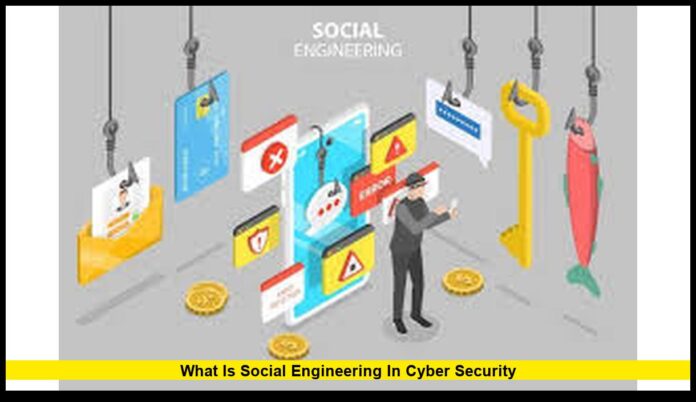
Social engineering in cyber security remains one of the most urgent concerns for U.S. businesses, government agencies, and everyday users in 2025. Over the past year, verified reports of data breaches, account takeovers, and identity-related crimes reveal that attackers are increasingly relying on human manipulation rather than technical hacking. This shift has elevated social engineering to the top tier of cybersecurity threats nationwide, pushing organizations to strengthen training, authentication, and incident-response strategies.
Short, fast-moving attacks now target employees, contractors, vendors, and even customers. The tactics have grown more personalized and more convincing. Attackers impersonate trusted professionals, create realistic digital environments, and craft messages that mirror corporate communication styles. These developments make it harder than ever for the average person to identify a fraudulent interaction before damage occurs.
The first major trend defining 2025 is the growing sophistication of impersonation attempts supported by automation and artificial intelligence. Attackers now generate tailored emails, voice calls, text messages, and chat interactions that closely resemble real communication. The second trend is the rise of vendor-related breaches, where attackers manipulate individuals working inside support or customer-management platforms instead of targeting a company directly. The third trend is the financial impact: losses resulting from these attacks continue to rise, with many incidents involving drained accounts, unauthorized transactions, or access to personal data affecting millions of Americans.
Together, these patterns show why understanding—and recognizing—social engineering is more important than ever.
Table of Contents
Understanding Social Engineering
Social engineering is the deliberate manipulation of people with the goal of gaining access to restricted information, digital systems, financial accounts, or private networks. Instead of focusing on technical vulnerabilities, attackers focus on human behavior. They exploit trust, urgency, curiosity, fear, and the natural tendency to be helpful.
These schemes involve direct communication with the victim through email, phone, messaging apps, fake login portals, or in-person interactions. The goal is always the same: to trick the target into performing an action that benefits the attacker, whether by revealing credentials, approving fraudulent activity, sending sensitive documents, downloading malware, or giving access to internal systems.
Social engineering works because humans are predictable. Even well-trained employees can be caught off guard during busy periods, stressful situations, or interactions that appear official. While businesses have spent years improving technical defenses, attackers increasingly bypass those barriers by going straight to the people who use them.
Why Social Engineering Has Become a Leading Threat in 2025
1. Human behavior is easier to exploit than secure technology
Modern cybersecurity tools—firewalls, encryption, multi-factor authentication, and endpoint protection—have become more advanced. Breaking through these systems directly requires time, resources, and specialized skill. Manipulating a human requires only the right script or scenario.
This makes social engineering faster, cheaper, and more efficient for attackers.
2. The rise of AI-powered impersonation
In 2025, attackers now generate messages with polished grammar and natural language. They can match tone, vocabulary, and formatting used by legitimate corporate departments. Deepfake voice technology also enables realistic phone-based impersonation that can match an executive or support agent with alarming precision.
3. Business email compromise remains highly profitable
Scams involving fraudulent requests for wire transfers, payroll changes, vendor payments, or invoice approvals continue to rise. Attackers prefer these methods because they produce immediate financial return before the fraud is detected.
4. U.S. companies rely heavily on third-party systems
Customer relationship platforms, ticketing systems, help desks, onboarding tools, and payment processors are common attack points. Even if a company maintains strong internal defenses, one manipulated employee at a vendor can dramatically widen exposure.
5. Scams now target individuals as much as businesses
Bank customers, students, gig workers, retirees, and home-based employees are frequent targets. Attackers use text messages, phone calls, and fake alerts that resemble notifications from banks, retailers, health insurers, or government agencies. Criminals have adapted to the communication habits of U.S. consumers, making scams extremely convincing.
Major Social Engineering Trends in the U.S. This Year
AI-enhanced phishing
Phishing emails and messages no longer contain the obvious spelling errors or formatting issues that once made them easy to spot. Attackers use software that automatically analyzes public information—such as job titles, contact lists, and corporate news—to craft believable messages.
Many scams now include:
- Correct logos and fonts
- Accurate employee names
- Department-specific terminology
- Realistic subject lines based on current company events
- Smart timing, such as sending payroll-related emails near pay dates
Voice-based impersonation
Phone scams have become harder to recognize. Attackers generate voice recordings that closely match a supervisor, IT technician, or bank representative. They use short scripts designed to provoke immediate compliance.
These calls often demand:
- Account verification
- Password resets
- Urgent approvals
- Confirmation of internal codes
- Remote-access permission
Because the caller sounds legitimate, many victims respond without hesitation.
Vendor-oriented attacks
Support agents, call-center workers, and partner-network employees are increasingly targeted. Their roles require interaction with large amounts of customer data, making them ideal entry points for attackers.
Once an attacker obtains a vendor login or convinces a support agent to provide customer information, they can escalate to larger attacks across multiple companies.
MFA fatigue manipulation
Multi-factor authentication is effective, but attackers now exploit user habits. They bombard a victim with repeated login approval requests until the person clicks “approve” just to stop the notifications. That single approval can give the attacker direct access to the victim’s account.
Financial account takeover
Social engineering plays a major role in financial fraud involving:
- Online bank logins
- Digital wallet accounts
- Credit card portals
- Retirement accounts
- Investment platforms
Attackers often begin by collecting small pieces of personal information. Once they build enough of a profile, they impersonate the victim to customer service agents or directly manipulate login recovery procedures.
Types of Social Engineering Attacks
Though methods continue to evolve, most attacks still fit into several core categories:
Phishing
Email-based deception designed to trick the victim into clicking a fake link, downloading malware, or entering login credentials into a fraudulent site.
Spear phishing
A refined form of phishing that targets a specific individual or department using personalized details.
Vishing
Voice-based scams conducted through phone calls or AI-generated voice bots.
Smishing
Text-message scams containing fake alerts, shipping notifications, password requests, or promotional offers.
Pretexting
A structured impersonation where the attacker creates a believable backstory, such as claiming to be from IT support, human resources, or a government entity.
Baiting
Enticing victims with appealing offers, downloads, or benefits that trigger harmful actions.
Scareware
Pop-up messages or alerts claiming that a device is infected or compromised, pushing the victim to take rash steps.
Each category relies on psychological techniques — not technical force.
Verified U.S. Incidents Illustrating Today’s Threat Level
Several major breaches reported in 2025 demonstrate how effective social engineering attacks can be, especially when they involve third-party support platforms or vendor employees.
Incident One: Cloud-based business management provider
A major cloud software provider serving large U.S. companies confirmed that attackers tricked a support agent at a connected vendor platform. The attacker gained access to customer contact information, internal case details, and support account identifiers. While core financial and operational systems were not breached, the stolen information created an opportunity for follow-up phishing attacks targeting the provider’s clients.
Incident Two: Large food-delivery company
A well-known national delivery service reported that an employee fell victim to a personalized scam. The attacker gained access to internal tools and acquired partial customer information, including contact details and delivery profiles. Although payment information remained protected, customers were warned about increased risk of targeted scams designed to mimic company notifications.
Incident Three: U.S. financial services organization
A major financial firm experienced a large-scale data exposure involving a third-party customer-management vendor. Attackers convinced vendor representatives to grant access to sensitive customer information. Millions of policyholders and account holders were affected. Personal data such as Social Security numbers, dates of birth, and addresses were exposed, increasing the likelihood of identity theft and fraudulent tax filings.
These incidents highlight the central theme of 2025: attackers are bypassing hardened internal systems by manipulating people inside external platforms.
How Social Engineering Creates Real Damage
1. Identity theft
Stolen personal information fuels fraudulent tax returns, loan applications, government benefits claims, and account creation.
2. Unauthorized account access
Attackers often combine password resets, impersonation, and MFA manipulation to seize control of bank accounts, investment portfolios, and workplace platforms.
3. Malware and ransomware deployment
Once an attacker enters a system, they may install malicious software that encrypts data or steals it for sale on the dark web.
4. Financial losses
Account takeovers, fraudulent wire transfers, payroll changes, and vendor-payment alterations often cost victims large sums before the fraud is discovered.
5. Operational disruption
Attackers can disable critical systems by gaining admin-level access through a compromised employee.
6. Reputational harm
Businesses may suffer loss of trust from customers, especially when support channels or contact information are compromised.
How U.S. Organizations Are Responding
Enhanced training
Frequent, realistic training helps employees recognize suspicious communication. The most effective companies use scenario-based simulations that mirror actual threats.
Stricter authentication standards
Organizations now deploy:
- Multi-factor authentication
- Hardware keys
- Zero-trust verification
- Conditional-access rules
- Session monitoring to detect unusual activity
Vendor risk audits
Companies increasingly review vendor security practices, access controls, and data-sharing procedures.
Reduced internal access
Employees and contractors receive only the permissions required for their role. This limits the harm a single compromised account can cause.
Incident response improvements
Teams now practice rapid containment, credential revocation, and real-time communication to minimize system-wide fallout.
How Individuals Can Protect Themselves Today
- Be skeptical of unexpected messages requesting action.
- Avoid clicking links in unsolicited emails or texts.
- Call companies directly using official numbers, not numbers provided in a suspicious message.
- Use strong, unique passwords for every account.
- Enable multi-factor authentication wherever available.
- Never approve login requests you did not initiate.
- Monitor financial accounts routinely for unusual activity.
- Update device software and security settings regularly.
These habits significantly reduce risk for everyday users.
Looking Ahead: Why Social Engineering Will Continue to Rise
Despite growing awareness, social engineering remains highly effective. Several factors ensure the threat will continue:
- Humans will always be vulnerable to pressure, emotion, and persuasion.
- Attackers can easily collect personal information from public online profiles.
- AI will continue to improve the realism of fraudulent messages and phone calls.
- Businesses will rely even more heavily on third-party platforms that create new entry points.
- The financial rewards remain too high for criminals to ignore.
As long as communication systems rely on trust, social engineering will remain a dominant force in cybercrime.
Final Thoughts
Social engineering in cyber security has become one of America’s most pressing digital threats. Attackers have adapted to modern defenses by targeting people instead of firewalls, and 2025’s verified incidents show that even well-equipped organizations can be compromised through a single point of human vulnerability. Staying vigilant, informed, and proactive remains the strongest defense.
Share your experiences or insights about these threats in the comments below to help others stay aware and protected.

