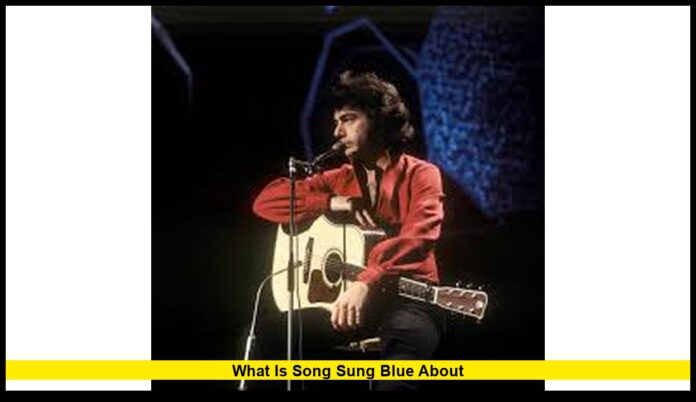
When you listen to “Song Sung Blue,” you might first think it’s just a calm and simple pop tune. But the song carries a deeper emotional meaning. Written and performed by Neil Diamond, the track explores how sadness and reflection can become shared human experiences. It was released in 1972 and quickly climbed to the top of the U.S. Billboard Hot 100, becoming one of Diamond’s signature songs.
Table of Contents
The Story Behind the Song
Neil Diamond wrote “Song Sung Blue” during a period of creative introspection. The song was inspired by the gentle mood of a classical melody but reshaped into something deeply personal and universally relatable. Its warm rhythm and emotional lyrics reflect the feeling of finding peace in sorrow — of accepting sadness as part of life.
Rather than avoiding emotional pain, the song suggests embracing it through expression. The title phrase, “Song Sung Blue,” symbolizes moments when sadness turns into something beautiful through music. It’s not about despair; it’s about connection and release.
What the Lyrics Mean
At its heart, “Song Sung Blue” is about how music helps people process sadness. The lyrics remind listeners that everyone feels blue sometimes, and singing about it can make it easier to handle. Some key ideas in the song include:
- Sadness is universal: Everyone experiences emotional lows.
- Music brings healing: Turning feelings into song can ease pain.
- Connection through emotion: Sharing these songs helps people feel less alone.
- Acceptance of life’s rhythm: Life’s ups and downs are natural — they shape who we are.
Diamond doesn’t dwell on heartbreak. Instead, he highlights how acknowledging sadness can help transform it into understanding and strength.
Why the Song Resonates with Listeners
Even decades after its release, “Song Sung Blue” continues to connect with audiences. Its message feels timeless because it reflects a simple truth — everyone has moments of sadness, and it’s okay to express them. The song’s soothing melody and easy tempo make it both comforting and reflective.
Here’s why it remains powerful today:
- Emotional honesty: It speaks directly to real feelings without overcomplicating them.
- Universal theme: Listeners of all generations can relate to its message.
- Musical simplicity: Its melody and rhythm are memorable and calming.
- Timeless voice: Neil Diamond’s warm vocals give the song sincerity and soul.
Many fans rediscover “Song Sung Blue” on modern streaming platforms, drawn to its emotional depth and peaceful sound. It’s one of those songs that can change meaning depending on where you are in life.
A Look at the Music
Musically, “Song Sung Blue” is gentle and steady, with a soothing arrangement that supports its reflective tone. It features:
- A slow, rhythmic piano base.
- Soft percussion and light harmonies.
- A melody that feels both melancholy and hopeful.
- A major key that avoids turning the song into pure sadness.
The overall sound captures balance — sorrow softened by acceptance. It invites listeners to pause and reflect rather than dwell in pain.
Themes That Still Matter
Even after more than fifty years, “Song Sung Blue” continues to feel relevant. Its core message — that sharing sadness can lighten it — has gained renewed meaning in modern times when mental health and emotional openness are widely discussed.
Listeners today relate to the song because:
- It reminds people that sadness isn’t weakness.
- It encourages expression rather than silence.
- It shows that creativity and emotion go hand in hand.
- It finds beauty in melancholy instead of avoiding it.
The song’s gentle rhythm mirrors the idea that life moves forward even through moments of heartache.
Legacy and Recognition
“Song Sung Blue” became one of Neil Diamond’s most beloved works. It topped charts, earned award nominations, and appeared in countless performances over the decades. Beyond its chart success, its real legacy lies in its emotional universality.
Highlights of its lasting influence include:
- Cultural impact: The song remains a symbol of emotional honesty in pop music.
- Concert favorite: Diamond performed it at nearly every major tour for decades.
- Cross-genre covers: Artists from pop to country have reinterpreted it.
- Enduring message: It continues to comfort listeners facing their own “blue” days.
For many, “Song Sung Blue” is not just a song — it’s a reminder that sadness can be both personal and shared, and that expressing it can be beautiful.
Why People Interpret It Differently
Listeners often find their own meaning in “Song Sung Blue.” Some view it as a story of heartbreak and healing, while others see it as a reflection on life’s natural rhythm. The word “blue” itself has many shades — it can mean sadness, reflection, calmness, or even wisdom.
That flexibility makes the song deeply human. Each listener brings their own emotions to it, turning it into something uniquely personal.
Final Reflection
Ultimately, “Song Sung Blue” is about understanding that everyone faces sadness — and that music helps turn pain into peace. Neil Diamond captured something eternal in this song: the simple truth that we can sing our blues away, one melody at a time.
If this song has ever spoken to you, share your thoughts below — music always means more when it’s felt together.

