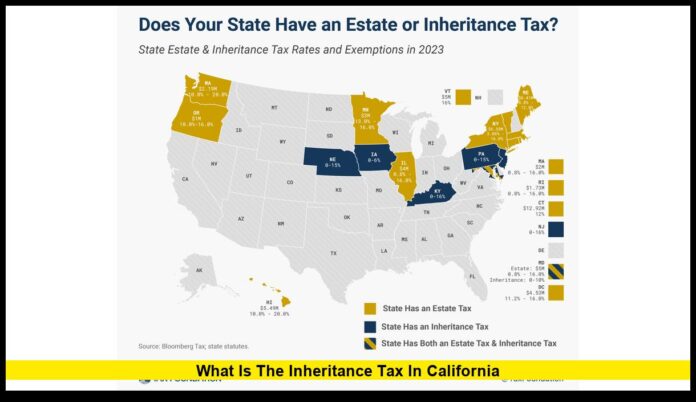
Every year, tens of thousands of Americans search for clarity on what is the inheritance tax in California: Updated Jan 2026 and how it affects families planning for the future. As of January 2026, California still does not impose an inheritance tax on assets passed from a deceased person to their heirs. This means that individuals who inherit property, money, or other assets from someone who lived in California won’t owe a state tax on that inheritance itself.
While federal tax law and planning strategies often make headlines, the state of California’s position on inheritance tax remains straightforward and consistent. Residents and heirs alike should understand what this means in practice and how it fits into the broader tax landscape, especially when federal estate taxes and property tax regulations can still impact what beneficiaries ultimately receive.
In this comprehensive, up-to-date article, we will walk through the current inheritance tax status in California as of January 2026, explain how it differs from estate tax, outline implications for heirs, explore federal estate tax considerations, and provide practical planning insights for families navigating wealth transfer in the state.
Table of Contents
California Has No Inheritance Tax in 2026
The most important fact to understand is that California does not have an inheritance tax as of January 2026. That means you, as an heir, will not be required to pay a state tax simply because you receive an inheritance from a deceased friend or family member who lived in California.
This absence of inheritance tax applies regardless of the size of the inheritance and regardless of your relationship to the person who passed away. Whether the property passes to a spouse, child, sibling, or non-related beneficiary, California does not levy a state tax on the portion you receive.
This sets California apart from a handful of other U.S. states that do impose inheritance taxes on beneficiaries, sometimes under complex rules based on relationship and the value received.
This state position has been in place for many years and continues unchanged entering 2026. It offers predictability and simplicity for families planning their estates or receiving assets after the death of a loved one.
Inheritance Tax vs. Estate Tax: What’s the Difference?
Understanding why there is no inheritance tax in California becomes easier once you grasp the difference between inheritance tax and estate tax, two terms often confused.
Inheritance tax is a tax on what beneficiaries receive. The beneficiary–for example, a child, spouse, sibling, or friend–would owe tax to the state on the amount they inherit based on their relationship and the value of the assets they receive.
Estate tax, in contrast, is a tax on the deceased person’s estate before distributions are made to heirs. The estate itself is taxed on the total value of assets, and only then are the remaining assets distributed to beneficiaries.
California does not impose either an inheritance tax or a separate state estate tax. This removes one layer of tax complexity for California residents and heirs. Families do not have to file state inheritance tax returns or pay state death taxes in the majority of circumstances.
However, you should be mindful that federal law still applies to estate taxes under certain value thresholds, and assets located outside California can be subject to other states’ taxes.
Federal Estate Tax: What Heirs Should Know in 2026
Although there is no state inheritance tax in California, federal tax law still includes an estate tax that can affect the estate of someone who has passed away, and indirectly affect what heirs receive.
Starting January 1, 2026, the federal estate tax exemption has been permanently set at $15 million per individual and $30 million for married couples filing joint returns. These high exemption amounts mean that the vast majority of estates will not owe federal estate tax at death.
If the value of the estate exceeds these exemption amounts, the portion above the exemption could be subject to a federal tax rate that can be as high as 40%. This federal tax is levied on the value of the estate before property and assets are distributed to beneficiaries.
For example, if a California resident leaves behind a combined estate valued at $20 million, the first $15 million is exempt from federal estate tax. The remaining $5 million could be subject to federal tax, which would reduce the overall amount passed to heirs. Because California has no state inheritance tax, heirs in this scenario would only contend with possible federal tax obligations, not a state tax on their inheritance.
Federal estate tax applies to the deceased person’s total taxable estate, which includes cash, investments, real estate, business interests, and certain other assets. Deductions for mortgages, debts, funeral expenses, and transfers to spouses or charities can lower the overall taxable amount.
This federal tax applies regardless of the state in which the deceased lived, as long as federal tax rules are in force. Even if you reside in California — a state with no inheritance tax — federal estate tax rules can still play a significant role in legacy planning.
Why California Has No Inheritance Tax
California’s tax code has long taken the position that it will not levy a state inheritance tax on assets passed to heirs. This policy reflects a broader tax structure focused on income tax, property tax, and sales tax for state revenue, but not on taxing inheritances directly.
The elimination of state inheritance and estate tax in California dates back many years, with state policy maintaining that residents should not face state transfer taxes on wealth passed at death. As a result, beneficiaries in California benefit from a simpler tax environment compared with heirs in states that do impose inheritance taxes.
This policy also aligns with California’s broader economic and demographic character. High property values, diverse industries, and significant population growth have shaped a tax system that does not rely on inheritance tax to generate revenue.
However, tax policy is subject to change, and proposals from time to time may emerge seeking to introduce new forms of taxation. As of January 2026, no such inheritance tax law exists, and nothing on the state legislative calendar indicates immediate changes.
Property Tax and Inheritance: What You Should Know
While California does not impose an inheritance tax, other tax considerations can influence what heirs actually pay or owe in the years after receiving an inheritance.
One major factor involves property taxes. California law includes specific rules governing the transfer of property tax assessments when real estate is inherited. Changes in property tax law, particularly those introduced with Proposition 19, affect how property tax basis and assessment values transfer when inherited.
Under current rules, the assessed value of inherited property may be reassessed at market value in certain situations, which can increase property tax bills for heirs. There are exceptions, such as for family homes occupied by certain categories of beneficiaries, but the basic point stands: inheriting property does not incur an inheritance tax, but it may affect ongoing property tax liabilities.
This difference underscores the importance of understanding the broader tax implications of inheriting real estate in California. Your tax advisor or attorney can help clarify how property taxes will apply in your specific situation.
How Multi-State Inheritances Are Treated
Although California has no inheritance tax, the state in which the deceased owned property or where the heir resides might impose tax.
If the inherited property or assets are located in a different state — such as Pennsylvania, Maryland, Nebraska, or Kentucky — that state’s inheritance tax rules may still apply. In that case, a beneficiary might owe tax to the state where the asset is physically located or where the decedent lived for tax purposes.
For example, if an heir in California inherits real estate located in a state with an inheritance tax, they must comply with that state’s filing and payment requirements, even though California itself imposes no inheritance tax. This can require careful coordination between states and often professional tax advice to ensure compliance.
In addition, some states impose “estate tax” rather than inheritance tax, and those rules could apply to out-of-state assets even if California does not tax them.
Planning for Your Legacy in California
Without a state inheritance tax, many California residents think their estate planning burdens are minimal — but thoughtful planning remains crucial.
Here are key considerations for effective estate planning in California as of January 2026:
1. Understand Federal Thresholds:
Know whether your estate is likely to exceed the $15 million federal exemption. If it does, federal estate tax could apply, making planning vital to reduce tax burden.
2. Coordinate with Other States:
If you own property in multiple states, be aware that states with inheritance or estate taxes may apply their own laws.
3. Review Property Tax Basis Rules:
Understand how inheriting real estate can trigger property tax reassessment and what exceptions may apply under current California law.
4. Use Professional Guidance:
Work with an estate planning attorney and a qualified tax advisor to structure wills, trusts, and other estate planning tools that reflect your personal situation.
5. Consider Trusts and Gifting Strategies:
Advanced strategies like irrevocable trusts or lifetime gifting can help reduce taxable estate values and protect assets for beneficiaries.
6. Adjust Plans for Life Changes:
Major life events such as marriage, the birth of children, or acquiring significant assets can impact planning decisions. Update your estate plan regularly to reflect these changes.
Effective estate planning is much more than avoiding taxes. It ensures your legacy is handled according to your wishes and reduces stress for your loved ones during a difficult time.
How Heirs Actually Receive Inherited Assets in California
Because there is no inheritance tax, heirs in California may receive assets without state tax obligations. However, they might still have to address federal estate tax obligations if applicable.
When someone dies, their estate goes through a process called probate, unless assets are held in trusts or have designated beneficiaries like retirement accounts or life insurance. Probate ensures that creditors are paid and that the deceased’s property is distributed according to their will or state law if there is no will.
Once assets are distributed, heirs typically receive their inheritance without having to pay California inheritance tax. For larger estates, if federal estate tax is due, the executor of the estate pays that tax from the estate’s assets before distributions to heirs.
Final Thoughts on California Inheritance Tax
The answer to what is the inheritance tax in California: Updated Jan 2026 remains straightforward: there is no inheritance tax at the state level. Beneficiaries in California do not pay state taxes on assets they receive through inheritance, making California one of the more favorable states in this respect.
However, heirs and families should not overlook federal estate tax rules, the potential impact of property taxes, and the tax laws of other states where assets may be located. A smart, well-crafted estate plan gives you confidence that loved ones will benefit from your legacy with minimal unnecessary tax burden.
Are you navigating inheritance, estate planning, or tax strategies in California? Share your questions or experiences in the comments below and stay informed with essential updates.

