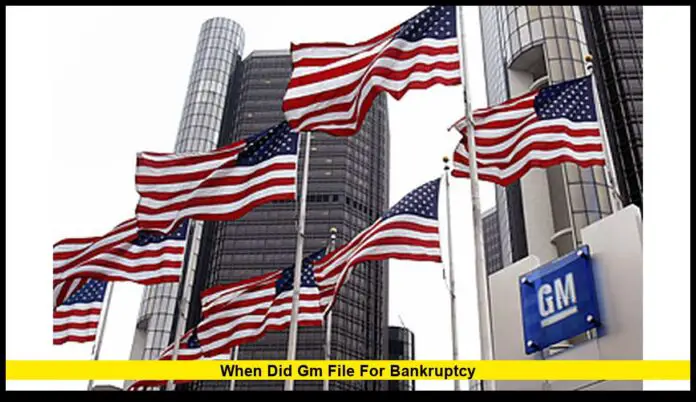
General Motors filed for bankruptcy on June 1, 2009, marking a pivotal moment in American automotive history. This Chapter 11 filing reshaped the industry giant. As of December 2025, GM continues its strong performance. Third-quarter revenue reached $48.6 billion. Net income hit $1.3 billion. Stock prices hover around $76, reflecting investor confidence in electric vehicles and global growth.
This event exposed deep vulnerabilities in U.S. manufacturing. It triggered massive job losses and factory closures. Yet it sparked a remarkable turnaround. GM now invests heavily in technology and sustainability. Leaders focus on innovation to stay competitive.
Readers often search for details on this crisis. It highlights economic resilience. Understanding the timeline offers lessons for today’s challenges.
Table of Contents
Early Warning Signs Build Up
General Motors started in 1908 as a small operation. It grew into a powerhouse with brands like Chevrolet and Buick. Success came from mass production and bold designs. The company employed hundreds of thousands at its peak.
Trouble emerged in the 1970s. Oil crises hurt sales of gas-guzzlers. Japanese imports offered better fuel economy. GM struggled to adapt quickly. Market share slipped from over 50 percent to under 30 percent by 2000.
Legacy costs mounted. Union agreements promised generous pensions. Healthcare for retirees cost billions yearly. By 2005, these obligations exceeded $100 billion. Executives cut jobs, but relief came slowly.
Product quality issues damaged reputation. Recalls for faulty parts alienated customers. Competitors like Ford invested in hybrids earlier. GM lagged behind in green technology.
Economic downturns amplified problems. The dot-com bust slowed sales. Then housing market woes spread fear. Consumers delayed big purchases. Dealership lots filled with unsold vehicles.
The 2008 Meltdown Hits Hard
Wall Street’s collapse froze credit markets. Banks stopped lending. GM relied on loans for operations. Cash reserves dwindled fast. The company lost $30.9 billion in 2008 alone.
Vehicle sales dropped sharply. Americans bought 45 percent fewer cars. Factories idled for weeks. Suppliers faced bankruptcy too. The ripple effect threatened entire supply chains.
CEO Rick Wagoner lobbied Washington for help. He warned of catastrophe without aid. Congress held tense hearings. Lawmakers debated using taxpayer money. Many opposed bailing out big business.
Initial loans arrived in December 2008. The Bush administration provided $13.4 billion. Conditions included restructuring plans. GM promised cost cuts and efficiency gains.
Efforts fell short. Bondholders rejected debt swaps. Unions resisted deeper concessions. President Obama took office in 2009. His team demanded Wagoner’s resignation. Fritz Henderson stepped in as interim CEO.
Deadlines loomed. GM needed viable plans by June. Talks collapsed. Bankruptcy offered the cleanest reset.
Filing Day Arrives
On June 1, 2009, attorneys entered the U.S. Bankruptcy Court in New York. They submitted papers at 8 a.m. Eastern Time. The filing listed $82.3 billion in assets. Debts totaled $172.8 billion.
Judge Robert Gerber oversaw the case. He approved initial motions quickly. Operations continued without interruption. Workers received pay. Suppliers shipped parts. Customers honored warranties.
The strategy involved a “363 sale.” GM planned to transfer strong assets to a new entity. Weak parts stayed behind for liquidation. This approach minimized disruption.
Media coverage exploded. Headlines declared the end of an era. Stock trading halted. Shares plummeted to pennies. Investors lost billions overnight.
Global partners watched closely. Operations in Europe and Asia faced uncertainty. Governments abroad prepared contingency plans.
Step-by-Step Through Reorganization
The court set aggressive timelines. Objections due by June 19. Asset sale hearing followed soon after. No competing bids emerged.
On July 5, the judge approved the plan. New GM launched on July 10. The process took only 40 days. Experts called it record speed for such complexity.
Old GM became Motors Liquidation Company. It handled remaining claims. Creditors received shares in the new firm.
Workforce reductions hit hard. U.S. employees dropped from 91,000 to 68,500. Plants closed across states. Michigan lost several facilities.
Dealership network shrank dramatically. Over 2,000 locations closed. Owners fought in court. Some won appeals, but most accepted buyouts.
Brands faced tough decisions. Pontiac ended production in 2010. Saturn dealers stopped sales. Hummer sought buyers without success. Saab sold to a Dutch firm, but it failed later.
Washington’s Critical Support
The U.S. Treasury led the rescue. It committed $30.1 billion in new funding. Total aid reached $51 billion. Canada added $9.5 billion.
Ownership shifted. The government held 60.8 percent. UAW’s retiree trust got 17.5 percent. Bondholders claimed 10 percent.
Officials guaranteed warranties. They allocated $360 million for coverage. This move reassured buyers.
Critics argued against nationalization. Supporters pointed to job preservation. Estimates showed over 1 million positions saved.
Repayment started in 2010. GM went public again in November. The IPO raised $23.1 billion. Treasury sold stakes gradually. By 2013, it recovered $39 billion.
Local governments offered incentives. States competed for plant investments. Tax breaks totaled millions.
Effects on People and Places
Factory workers bore the brunt. Many lost careers overnight. Severance packages helped some transition. Others retrained for new industries.
Union dynamics changed. The UAW accepted two-tier wages. New hires earned half the pay. This saved costs but created divisions.
Retirees worried about benefits. Healthcare shifted to a VEBA trust. Funding came from GM stock. Values fluctuated with markets.
Communities suffered economic hits. Pontiac, Michigan, lost its namesake brand. Empty buildings attracted blight. Property values dropped.
Detroit symbolized the struggle. Unemployment peaked above 20 percent. City services strained under budget cuts.
Suppliers adapted or failed. Some diversified products. Others merged for strength.
Shedding Underperformers
Core brands survived: Chevrolet, Cadillac, Buick, GMC. They focused on profitable segments like trucks.
Pontiac’s sporty image faded. Models like GTO ended. Enthusiasts mourned the loss.
Saturn emphasized customer service. Its no-haggle pricing innovated sales. Yet low volumes doomed it.
Hummer represented excess. Gas prices killed demand. Military roots couldn’t save civilian models.
Saab appealed to niche buyers. Swedish engineering shone. Ownership changes led to demise in 2012.
Path to Renewal Begins
New GM emerged debt-light. Obligations fell from $95 billion to $17 billion. Cash flow improved immediately.
Leadership stabilized. Ed Whitacre became chairman. He pushed cultural changes. Accountability rose.
Investments targeted growth areas. The Chevrolet Volt launched in 2010. It pioneered plug-in hybrids.
Global expansion continued. China became a key market. Joint ventures boosted sales there.
Recalls tested resolve in 2014. Ignition switch defects caused deaths. GM paid $900 million in fines. Reforms followed.
Mary Barra assumed CEO role in 2014. She championed diversity and ethics. Women advanced in ranks.
Advancing Into Electric Era
GM committed $35 billion to EVs by 2025. Ultium batteries power new models. The Silverado EV offers 400-mile range.
Hummer returned as electric. It sells out quickly. Cadillac’s Lyriq targets luxury buyers.
Autonomous tech progresses. Cruise tests driverless cars in cities. Partnerships with Honda accelerate development.
Sustainability goals aim for carbon neutrality by 2040. Plants use renewable energy. Recycled materials enter production.
Supply chains toughened after shortages. Chip production localized. Battery factories open in Ohio and Tennessee.
GM’s Position in Late 2025
As December 2025 unfolds, GM reports solid metrics. U.S. sales exceed 710,000 vehicles in Q3. EVs claim 8 percent market share.
Leadership adjusts for challenges. New executives strengthen China operations. Cadillac expands globally.
Investments flow into U.S. plants. $4 billion boosts production. A $500 million upgrade supports gas engines amid EV shift.
AI integrates into vehicles. Google Gemini enables conversational assistants. Safety features advance.
Stock rises 3 percent in early December. Analysts praise consistent earnings beats.
Workforce grows to over 100,000 in America. Diversity initiatives foster inclusion.
Tariffs pose risks. Trade policies add costs. GM lobbies for stability.
Enduring Insights From the Crisis
The 2009 filing revealed systemic flaws. Overreliance on debt proved fatal. Slow innovation lost customers.
Partnerships matter. Government and unions collaborated for survival.
Flexibility wins. GM now pivots quickly to trends like electrification.
Resilience defines the story. From near-collapse to industry leader, GM inspires businesses everywhere.
Innovation drives future success. As EVs dominate, GM positions itself at the forefront.
GM’s story reminds us that even giants can reinvent themselves. What surprises you most about this turnaround? Share in the comments and check back for more industry updates.
FAQ
When did GM file for bankruptcy? General Motors filed for Chapter 11 on June 1, 2009.
What led to GM’s financial collapse? High legacy costs, declining sales in 2008, and stiff competition pushed GM over the edge.
How quickly did GM exit bankruptcy? It lasted 40 days, with New GM starting July 10, 2009.
What role did the government play? It provided $51 billion in aid and took majority ownership temporarily.
Which brands survived the restructuring? Chevrolet, Cadillac, Buick, and GMC remained core offerings.
How does GM perform in 2025? Strong Q3 results show $48.6 billion revenue and growing EV sales.

