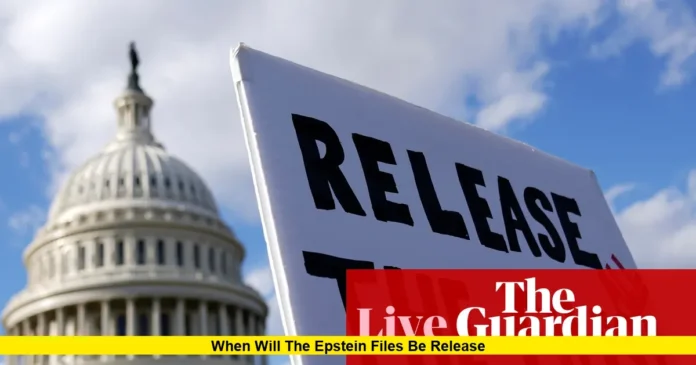
For U.S. readers searching for clarity on when will the Epstein files be released, the timeline has become clearer with recent Congressional action. On November 18, 2025, the Epstein Files Transparency Act passed the United States House of Representatives by a 427–1 vote and was approved by the United States Senate via unanimous consent that same day. The bill now awaits the signature of Donald Trump, who has publicly pledged to sign it. Once he does, the United States Department of Justice (DOJ) will be compelled to publish the relevant files within approximately 30 days of it becoming law.
Table of Contents
Latest Verified Updates
- The House vote on the Transparency Act took place on November 18, 2025.
- The Senate agreed to pass the same bill without amendment, also on November 18, 2025.
- President Trump has indicated he will sign the bill into law.
- Upon enactment, the DOJ must prepare to release the files, redacted where necessary, within about 30 days.
- Until the presidential signature is recorded, the statutory countdown has not formally begun.
Key Provisions of the Legislation
The Transparency Act requires that the DOJ make publicly available the records it holds related to the investigations of Jeffrey Epstein, including communications, documents and other materials. It allows for redactions in cases involving victim-identifying information, ongoing investigations or classified content. Importantly, the legislation prohibits withholding material solely on the basis of political embarrassment or reputational harm. This sets a firm legal framework for the question of when the Epstein files will be released.
What to Expect: Timing & Format
Once the law takes effect, here’s what U.S. audiences should anticipate regarding when will the Epstein files be released:
- Timing: The clock starts ticking on the 30-day publication window once the president signs the act into law.
- Format: The files are required to be made public in a searchable and downloadable format, as stipulated by the bill.
- Content: The materials may include previously unreleased documents, emails, communications and other investigation-related records held by the DOJ.
- Redactions: Victim identities, active investigations and national security concerns will be redacted. Some names may remain withheld.
- Public Access: The records will be available online, enabling journalists, researchers and the public to search and download portions of them.
Why This Matters
For years, survivors of Epstein’s crimes and advocates have called for transparency about the full scope of his operations and the government’s handling of related investigations. The legislation directly addresses these demands and provides a clear answer to the question of when will the Epstein files be released. The public now has a legal guarantee that the files will be published within a fixed window after enactment.
The upcoming public release may reignite intense scrutiny of Epstein’s network, his associates, and how investigations were conducted. The availability of documents in searchable format will make media and academic investigations more immediate and thorough than before. For many Americans this represents a major shift — moving from years of uncertainty and fragmented leaks to a mandated release timeline.
Remaining Uncertainties
Despite the clarity provided by the statute, a few details remain unresolved:
- The exact date of the president’s signature has not been publicly confirmed, so the 30-day countdown has not yet begun.
- The degree of redactions and the portion of material withheld remains unknown; this will affect how much new information the public actually receives when the files drop.
- Even after release, some documents may remain withheld or heavily edited due to grand jury rules, criminal investigations or executive privilege claims.
- The timeline does not guarantee new criminal charges or investigative outcomes; the release of files is about disclosure, not prosecution.
Why the Timing Finally Shifted
The shift toward passage of this legislation stemmed from multiple factors. Congressional pressure—driven by victims, advocacy groups and public outrage—grew steadily. The legislative path was accelerated by a discharge petition and growing bipartisan support that made opposition untenable. The Trump administration’s late reversal in support of the bill surprised many observers and cleared the way for passage. With political resistance diminished, the legislative machinery moved swiftly to answer the question of when will the Epstein files be released.
Summary Table: Key Milestones
| Date | Milestone |
|---|---|
| August 2025 | DOJ begins providing batches of already-released records |
| September 2025 | Congressional filings escalate, public demands rise |
| November 18, 2025 | House (427–1) and Senate (unanimous) pass release bill |
| Post-signature | Start of ~30-day countdown to full public release |
The big takeaway: if you are asking when will the Epstein files be released, the answer is now defined by law — within about 30 days after the president signs the bill into law. Until that signature occurs, we wait. Once the countdown starts, expect a searchable public archive of DOJ-held documents tied to Jeffrey Epstein’s case, subject to redactions.
Stay tuned and check back here for updates on when the files actually go live and how they’re presented to the public.

