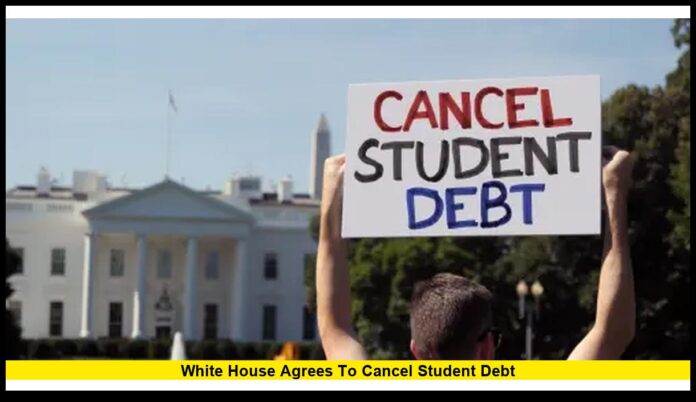
In a major step toward easing the nation’s student loan burden, the White House agrees to cancel student debt for thousands of long-term borrowers across the United States. The move marks one of the most significant developments in education and economic policy this year, bringing long-overdue relief to Americans who have spent decades making payments under federal loan programs.
For many families, this decision represents more than a financial update — it’s the end of years of frustration and the beginning of a fresh financial start.
Table of Contents
A Major Breakthrough in Student Loan Relief
The new plan, announced by the White House and the U.S. Department of Education, focuses on fixing errors in the federal student loan system and providing automatic forgiveness for those who’ve met the criteria for years.
Here’s what the plan includes:
- Automatic Loan Forgiveness: Borrowers who have been in repayment for 20 to 25 years under income-driven repayment (IDR) plans will have their remaining balances automatically canceled.
- Payment Count Corrections: Many borrowers discovered that their payments weren’t being properly counted. The Education Department will now correct these errors and credit eligible months toward forgiveness.
- Tax-Free Relief: Canceled student loans will not count as taxable income through 2025. This means borrowers will not face unexpected tax bills when their debt is forgiven.
- Accelerated Processing: Relief will be applied as quickly as possible, with the first group of qualifying borrowers expected to see their loans cleared within weeks.
This agreement represents a renewed commitment by the federal government to deliver on long-standing promises made under income-driven repayment programs.
Who Qualifies for Student Debt Cancellation
The decision focuses on borrowers who have faithfully made payments for years but never saw their loans forgiven due to administrative failures.
You may qualify if you:
- Have been enrolled in an Income-Driven Repayment (IDR) plan, such as ICR, IBR, PAYE, or REPAYE.
- Have completed 20 or more years of qualifying monthly payments.
- Were affected by errors or lost records within the student loan system.
- Work in public service or education, including teachers, healthcare workers, and government employees.
Borrowers enrolled in the new SAVE Plan may also see forgiveness applied in future rounds as the Department expands eligibility.
This decision is particularly impactful for older borrowers who have been repaying since the 1990s or early 2000s — many of whom have paid back more than they originally borrowed.
Why the White House Took Action Now
For years, borrowers have complained that loan servicers failed to track payments accurately. Many discovered, after decades of payments, that their progress toward forgiveness had been reset or miscounted.
The White House’s decision to cancel student debt follows growing pressure from borrower advocacy groups and unions representing teachers and public servants. These organizations argued that millions of Americans had followed the rules but were still denied forgiveness.
By approving this plan, the administration aims to restore fairness and accountability to a system that had left many in debt far longer than promised.
Key Details You Should Know
The Department of Education has released several important details to help borrowers understand the next steps:
- No Application Needed: If you qualify, you don’t need to apply. Loan servicers will automatically cancel eligible balances.
- Option to Opt Out: Borrowers who do not wish to have their loans forgiven — for instance, for joint tax filing reasons — can opt out before the official deadline.
- Deadline: The opt-out deadline is October 21, 2025.
- Tax-Free Forgiveness: Canceled loans will remain tax-free until the end of 2025 under federal law.
- Timeline: Most qualified borrowers will see relief reflected in their loan accounts within the next several months.
If your account qualifies, you’ll receive an official confirmation via email or direct notice from your loan servicer.
What This Means for Everyday Americans
For millions of borrowers, this is more than a government policy — it’s the end of a financial chapter.
Here’s what the decision means in practical terms:
- Freedom from Debt: Borrowers will finally see zero balances after decades of repayment.
- Improved Credit and Financial Stability: Canceling student loans can boost credit scores and open access to mortgages or car loans.
- More Spending Power: Without monthly student loan payments, borrowers can focus on saving, investing, and supporting their families.
- Reduced Default Rates: Many borrowers at risk of default will now be brought back into good financial standing.
This move is also expected to strengthen the broader U.S. economy as households redirect funds into housing, childcare, and local businesses.
How the Loan System Got Here
The U.S. student loan system has long faced criticism for being overly complex and poorly managed. For years, borrowers in income-driven repayment plans were told that making consistent payments for 20 or 25 years would result in forgiveness — but many never received it.
Common issues included:
- Servicers miscounting or losing track of payments.
- Borrowers being switched between plans that reset their progress.
- Inconsistent communication from loan companies.
The White House’s new initiative is meant to correct these failures once and for all. It not only cancels debt for those who qualify but also improves oversight and accountability to ensure future borrowers are treated fairly.
What Borrowers Should Do Now
If you have federal student loans, here’s what you should do to make sure you benefit from this plan:
- Log in to your Federal Student Aid (FSA) account.
- Check your repayment plan type and your payment count.
- Monitor your email and mail.
- Look out for notifications from your loan servicer confirming forgiveness.
- Keep your information up to date.
- Ensure your contact details and income certifications are accurate to avoid delays.
- Don’t panic if it takes time.
- With millions of borrowers under review, processing may take several months.
- Contact your servicer if you believe there’s an error.
- Document your payment history and submit a review request if something looks wrong.
Following these steps can help ensure your forgiveness is processed smoothly.
Challenges That Still Remain
While the news is overwhelmingly positive, there are still a few challenges ahead:
- Processing Time: Reviewing and verifying millions of accounts will take time.
- Communication Delays: Some borrowers may not immediately see updates in their accounts.
- Future Tax Policy: The tax-free status on forgiven loans ends in 2025 unless Congress votes to extend it.
Despite these challenges, the direction is clear — the federal government is making progress in addressing one of the most frustrating issues for American borrowers.
A Turning Point for Education and the Economy
The phrase white house agrees to cancel student debt signals more than a policy win — it marks a shift in how America views higher education and financial fairness.
For generations, student loans have been both a gateway to opportunity and a source of lifelong financial stress. With this decision, the federal government is taking a major step toward correcting that imbalance.
For borrowers, it’s the start of a new chapter — one defined by relief, empowerment, and opportunity. For policymakers, it’s a reminder that the promise of affordable education must come with real protection for those who pursue it.
If you’re a borrower who qualifies for this forgiveness, share your experience below — your story could help others understand how this decision is changing lives.

