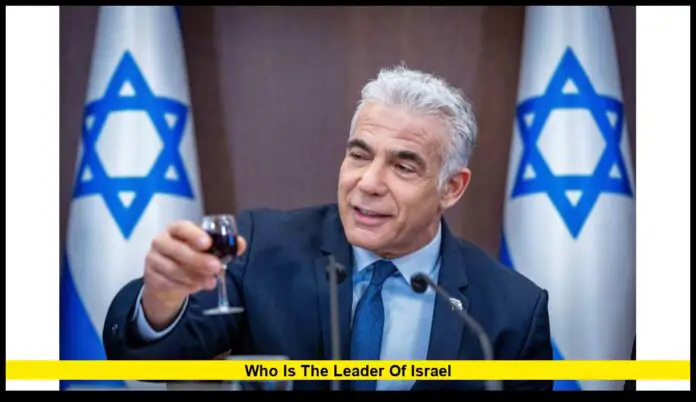
Many people are asking who is the leader of Israel, especially amid ongoing security challenges and political shifts. As of October 2025, Benjamin Netanyahu serves as the Prime Minister of Israel, making him the nation’s most powerful political figure and the person responsible for leading government policy, security decisions, and international relations.
Israel’s political system is parliamentary, meaning that leadership depends heavily on coalition governments and the support of various parties in the Knesset, Israel’s legislature. This structure shapes how Netanyahu governs, the challenges he faces, and the delicate balance of power he must maintain.
Table of Contents
Benjamin Netanyahu: Israel’s Longest-Serving Prime Minister
Benjamin Netanyahu is not new to power. He has served multiple terms over the past three decades and holds the record as Israel’s longest-serving prime minister. His current term began after his return to office in 2022, leading a coalition made up primarily of right-wing and religious parties.
Throughout his career, Netanyahu has emphasized:
- A strong national security agenda, prioritizing military strength and counterterrorism.
- Strategic alliances, particularly with the United States and some Gulf states.
- A focus on economic stability, combined with controversial domestic policies that often divide Israeli society.
- Coalition-building, which is essential in Israel’s fragmented political landscape.
Despite facing legal battles and political controversies, he remains a dominant figure in Israeli politics, known for his ability to survive political crises and outmaneuver rivals.
The Role of the Prime Minister in Israel
In Israel, the prime minister is the head of government and holds executive authority. This includes:
- Directing security and defense policy
- Overseeing the cabinet and government ministries
- Initiating and implementing legislation through the coalition
- Representing Israel in international diplomacy
- Responding to military threats and managing wartime decisions
Unlike the president, whose role is mostly ceremonial, the prime minister wields real power. This distinction is crucial to understanding who is the leader of Israel in practical terms.
The President’s Role: Largely Ceremonial
While the prime minister runs the government, Israel also has a president, currently Isaac Herzog. The president’s role involves formal duties such as:
- Assigning the task of forming a government to a Knesset member after elections
- Receiving diplomatic credentials
- Performing national and international ceremonial functions
- Granting pardons in limited cases
The president does not manage day-to-day governance or set policy. This means that when discussing Israel’s leadership, the focus is almost always on the prime minister.
Netanyahu’s Current Challenges
Leading Israel in 2025 presents Benjamin Netanyahu with a complex set of challenges that shape both domestic and international politics.
1. Coalition Fragility
His current government is supported by a coalition of right-wing and religious parties. Several of these partners have threatened to withdraw support over issues like military conscription and judicial reforms. Maintaining this coalition is essential to keeping his government stable.
2. Security Pressures
Israel continues to face security challenges, particularly related to Gaza and regional tensions. Netanyahu’s leadership involves making decisions on military operations, negotiations, and intelligence coordination—all of which carry significant political weight.
3. Legal Troubles
Netanyahu’s long-running corruption trial remains ongoing. While he continues to deny wrongdoing, the proceedings cast a shadow over his leadership and have sparked debates about judicial independence and political accountability.
4. International Relations
Balancing Israel’s relationship with the United States, regional Arab states, and European partners is a key part of Netanyahu’s role. Diplomatic maneuvering and managing global criticism over security policies are central elements of his leadership.
Key Figures Around Netanyahu
While Netanyahu is the clear leader, Israeli politics involves several influential figures who play important roles:
- Itamar Ben-Gvir, Minister of National Security, represents the far-right wing and often influences coalition dynamics through his party’s hardline stance.
- Bezalel Smotrich, Minister of Finance, shapes economic policy and is a major player within the coalition.
- Isaac Herzog, the President, remains a symbolic national figure who occasionally steps in during major political crises but does not govern.
- Opposition leaders from centrist and left parties remain vocal critics, occasionally forming temporary alliances to challenge Netanyahu’s agenda.
These figures create both support and pressure points within Netanyahu’s government.
Israel’s Political System: A Coalition-Based Model
Understanding who is the leader of Israel also means understanding how leadership works in Israel’s parliamentary system. Unlike the U.S., where the president is directly elected, Israel’s prime minister is typically the leader of the party (or coalition) that can secure a majority in the 120-member Knesset.
This system leads to:
- Frequent coalition negotiations, since no single party has ever won an outright majority.
- Potential for instability, as governments can collapse if key partners withdraw.
- Complex power-sharing, where smaller parties often hold significant leverage.
Netanyahu’s ability to maintain coalitions has been a hallmark of his political career.
Public Opinion and Leadership Perception
Benjamin Netanyahu remains a polarizing figure. His supporters view him as a strong, experienced leader capable of navigating Israel through wars, diplomatic challenges, and economic pressures. His critics argue that his leadership style is divisive, citing judicial reforms, coalition choices, and corruption allegations.
Public opinion polls in 2025 show that while Netanyahu retains a loyal base, he faces growing pressure from opposition groups and segments of the population that favor leadership change.
Why the Answer to “Who Is the Leader of Israel” Matters
For international audiences, especially in the United States, understanding who is the leader of Israel is important because:
- Israel plays a strategic role in U.S. foreign policy, particularly in the Middle East.
- Netanyahu’s government influences security cooperation, military strategy, and diplomatic negotiations.
- Leadership decisions in Israel can have global economic and political ripple effects, especially in times of conflict.
Knowing who leads Israel also helps Americans better follow U.S.-Israel relations, peace negotiations, and defense strategies that affect both nations.
Final Thoughts
So, who is the leader of Israel? The answer is clear: Benjamin Netanyahu, as prime minister, holds the country’s top position of power. He leads the government, shapes domestic and foreign policy, and represents Israel on the world stage.
His leadership is marked by both political resilience and controversy. As Israel faces coalition struggles, security threats, and shifting international dynamics, Netanyahu’s role remains central to the country’s direction.
What are your thoughts on Netanyahu’s leadership and Israel’s current political landscape? Share your perspective below.

