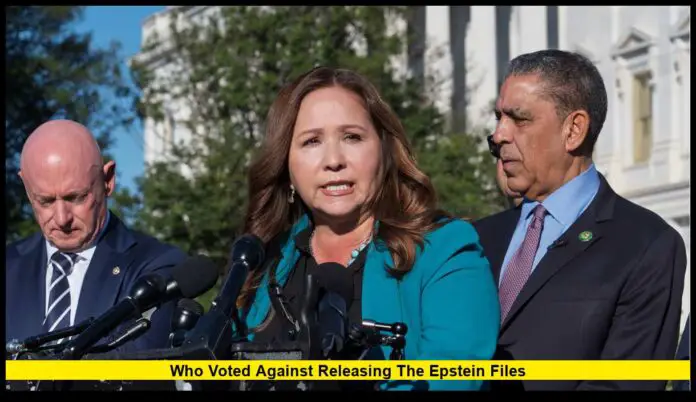
In the latest push for transparency, the question who voted against releasing the Epstein files remains central as Congress struggles over lines of accountability. Most notably, the U.S. Senate on September 10, 2025, saw a vote where the motion to compel public release of federal case files related to Jeffrey Epstein was defeated 51-49, with nearly all Republican senators opposed to the measure.
Table of Contents
Major Vote in the Senate Blocks Disclosure
In the Senate, a bipartisan amendment inserted into the annual defense authorization bill sought to require the Department of Justice to make the Epstein-related documents public. The amendment failed by a 51-49 vote. Two Republican senators—Rand Paul (KY) and Josh Hawley (MO)—broke with their party and voted for disclosure, but the remaining Republican caucus voted against it.
Among those voting against release were Lisa Murkowski (AK) and Dan Sullivan (AK), who joined the party line and rejected the proposal as a “political stunt.”
In Mississippi, both Republicans—Roger Wicker and Cindy Hyde‑Smith—voted against the amendment and were specifically criticized for siding with the block.
What Happened in the House?
On the House side, efforts to bring a full floor vote to release the Epstein files have also encountered resistance. A discharge petition, backed by most Democrats and a handful of Republicans (including Thomas Massie (KY) and one or two other GOP members), gathered enough signatures to force a vote.
Nevertheless, the House leadership delayed swearing-in of the final member needed to reach the threshold, effectively postponing a full vote. During committee actions, Republicans on the House Rules Committee blocked amendments aimed at transparency—for example, votes by Republican committee members defeated a proposed amendment by Ro Khanna (D-CA) that would have compelled document release.
Insights Into Who Voted Against Releasing the Epstein Files
- In the Senate: Nearly all Republicans except Rand Paul and Josh Hawley voted against the amendment requiring disclosure.
- In the House: Key Republican leadership and committee members voted against amendments or procedural maneuvers that would force release.
- Specific individuals who voted against include Senators Lisa Murkowski, Dan Sullivan, Roger Wicker and Cindy Hyde-Smith.
- The broader pattern shows the Republican caucus resisting full public release, citing concerns with process, redactions, or legal/ privacy implications.
Why These Votes Matter
The question who voted against releasing the Epstein files isn’t just about names—it signals how far Congress is willing to go toward transparency in one of the most contentious sex-trafficking investigations in modern U.S. history. The blocked votes raise several implications:
- Accountability: Survivors and advocates argue that unless files are fully released, key evidence and witness interviews may remain hidden.
- Political consequences: These votes force Republicans into challenging terrain—either defend the decision to block release or join advocates for disclosure, risking party backlash.
- Procedural strategy: By voting against disclosure, many lawmakers align with a strategy of slower, incremental oversight rather than forcing full public release via sweeping amendments or bills.
- Public trust: With polls showing broad public support for release, lawmakers voting against it face increased scrutiny and potential electoral risks.
What Comes Next
- The House is now expected to hold a floor vote in the coming weeks to mandate the release of the Epstein files. If passed, the Senate and the President will also need to act for full release.
- The vote will place every member on record—meaning both Republican and Democratic lawmakers will have their positions publicly documented for who voted against releasing the Epstein files.
- Public and media attention will increasingly focus on individual names—not just that the majority blocked disclosure, but exactly who did so.
Conclusion
When asked who voted against releasing the Epstein files, the simple answer is: a majority of Senate Republicans and many House Republicans voted to block motions aimed at full public disclosure. Specific names include Senators Lisa Murkowski, Dan Sullivan, Roger Wicker and Cindy Hyde-Smith among others. The upcoming House floor vote will widen the list and put every Representative’s stance in the spotlight.
Stay tuned for the full breakdown when the vote occurs—you’re encouraged to comment below on whether you believe disclosure should proceed.

