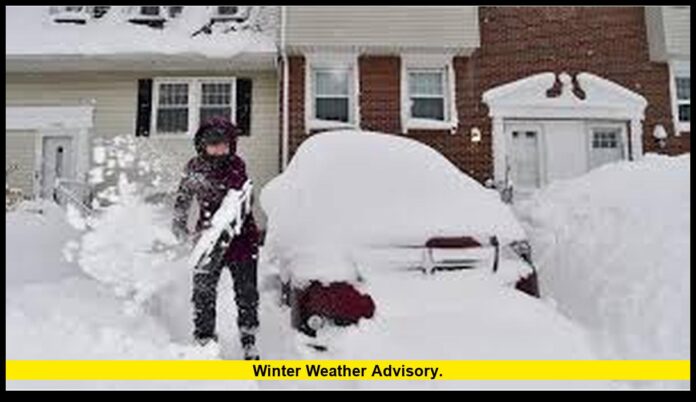
A winter weather advisory is in effect across multiple parts of the United States today as snow, ice, and bitter cold continue to affect travel, schools, and daily routines for millions of Americans.
Issued when winter conditions are expected to cause inconveniences or hazards but fall short of extreme thresholds, a winter weather advisory signals the need for caution. As of today’s date, advisories remain active or recently issued in several northern, northeastern, and higher-elevation regions as winter weather systems move through the country.
Table of Contents
What a Winter Weather Advisory Means for the Public
A winter weather advisory alerts residents that conditions such as light to moderate snow, freezing rain, sleet, or blowing snow may develop and create travel difficulties. These advisories are designed to help people prepare for slippery roads, reduced visibility, and brief disruptions without the severity of a full winter storm warning.
Unlike winter storm warnings, which indicate significant or dangerous accumulations, advisories focus on moderate but impactful weather. Even limited snow or ice can lead to accidents, delays, and closures when temperatures remain cold.
Current U.S. Regions Under Winter Weather Advisory Conditions
As winter weather continues to unfold, advisories and related cold alerts are influencing large sections of the country.
Northeast and Mid-Atlantic
Several states in the Northeast are dealing with snow accumulation, slick roadways, and freezing temperatures. In some areas, the season’s first measurable snow has already fallen, leaving untreated roads icy during overnight and early morning hours.
Drivers across parts of New York, Pennsylvania, New Jersey, and surrounding states are urged to allow extra travel time. Even where snowfall totals remain modest, cold pavement has allowed ice to persist longer than usual.
Upper Midwest and Great Lakes
Cold air pushing south has brought winter conditions into the Midwest. While heavier snow bands have remained localized, advisory-level snow and wind have reduced visibility in rural areas. Gusty winds have also caused blowing snow, which can quickly obscure road markings.
Temperatures well below seasonal averages have compounded hazards by preventing melting during daylight hours.
Mountain and Northern Plains Areas
Higher-elevation regions and nearby plains continue to experience winter weather advisories on the edges of stronger storm systems. Snowfall amounts vary widely, but persistent cold and wind make travel challenging, especially on mountain passes and exposed highways.
How Winter Weather Advisories Affect Travel
Road Conditions
Road safety is one of the most immediate concerns during a winter weather advisory. Even light snow can create slick conditions when temperatures remain below freezing.
Common impacts include:
- Slippery bridges and overpasses
- Reduced traction on untreated secondary roads
- Increased risk of early-morning accidents
Local transportation agencies often pre-treat major highways, but residential streets may remain icy for extended periods.
Air Travel Disruptions
Winter weather advisories can also affect air travel. Snow and ice slow ground operations, de-icing procedures, and runway clearing. Major airports in colder regions frequently experience delays and cancellations when advisory-level weather coincides with high travel volume.
Passengers are encouraged to check flight status frequently during advisory periods, as conditions can change rapidly.
Why Winter Weather Advisories Should Be Taken Seriously
While advisories may sound less severe than warnings, they often coincide with the highest accident risk. Many drivers underestimate conditions when snowfall totals appear minor, leading to preventable crashes.
Advisories also serve as early indicators. Weather systems can intensify, and an advisory may be upgraded if snowfall or icing becomes heavier than initially forecast.
Being alert during advisory periods helps reduce strain on emergency services and keeps communities safer.
Typical Weather Triggers for a Winter Weather Advisory
Meteorologists issue winter weather advisories based on several factors, including:
- Snow accumulations that may not be heavy but still affect travel
- Light icing from freezing rain or sleet
- Blowing snow that reduces visibility
- Timing during peak travel hours
- Local climate thresholds that vary by region
In warmer areas, even a small amount of snow or ice can trigger an advisory due to limited winter infrastructure.
Cold Temperatures and Wind Chill Concerns
Many winter weather advisories this season are occurring alongside arctic air intrusions. Cold temperatures increase risks even when snowfall is minimal.
Low wind chills can cause:
- Frostbite on exposed skin
- Increased heating demand and potential power strain
- Vehicle issues such as dead batteries
Cold conditions also slow snowmelt, extending the duration of hazardous travel.
Staying Safe During a Winter Weather Advisory
Taking a few precautions can make a significant difference during advisory-level weather.
Before Traveling
- Check local forecasts and road conditions
- Allow extra travel time
- Carry emergency supplies, including blankets and flashlights
While Driving
- Reduce speed and increase following distance
- Avoid sudden braking or sharp turns
- Use low-beam headlights in snow
At Home
- Keep walkways clear of ice
- Dress in layers when outdoors
- Ensure heating systems are functioning properly
Simple steps can help prevent injuries and accidents during winter conditions.
Community and School Impacts
Winter weather advisories often influence school schedules, public transportation, and municipal services. Delays or closures may occur when road conditions deteriorate overnight.
Local governments monitor advisory conditions closely, particularly during morning and evening commute times. Public works crews may focus on priority routes, leaving secondary roads untreated longer.
How Advisories Fit Into the Broader Winter Outlook
As winter progresses, the U.S. typically experiences alternating periods of cold, snow, and brief warm-ups. Winter weather advisories play a key role in communicating everyday winter hazards that don’t rise to emergency levels but still disrupt normal routines.
Advisories are expected to continue appearing throughout the season, especially during transitional weather patterns where small changes in temperature can mean snow instead of rain.
Understanding Advisory Upgrades and Changes
Weather conditions can change quickly. A winter weather advisory may be:
- Expanded to include more counties
- Extended in duration
- Upgraded to a winter storm warning if snowfall or ice increases
Staying informed ensures timely decisions about travel and safety.
Why Awareness Matters Throughout the Season
Winter weather advisories are not just one-time alerts. They represent ongoing winter risks that repeat throughout the season. Awareness helps individuals and communities plan ahead, reduce accidents, and minimize disruptions.
Checking local weather updates daily becomes especially important during periods of frequent advisories.
Looking Ahead
Cold air and periodic winter systems are expected to remain part of the national pattern as the season continues. While not every storm will bring severe conditions, advisory-level events will remain common across northern and central regions.
Preparation and caution remain the best defenses against winter weather impacts.
Have winter conditions affected your area this week? Share your experience below and stay alert as winter weather advisories continue across the U.S.

