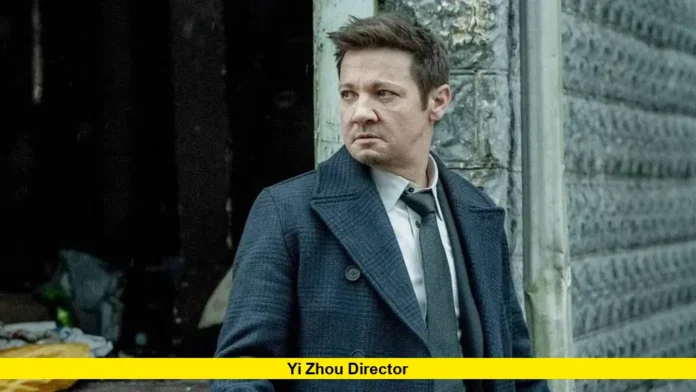
Yi Zhou director, artist, and visionary filmmaker, has recently found herself in the international spotlight after accusing actor Jeremy Renner of misconduct — allegations he has strongly and repeatedly denied. The controversy has stirred deep discussions across Hollywood about power, gender, consent, and the vulnerability of non-U.S. creatives working within the American film industry.
The story first broke earlier this month, when Zhou, a well-known multimedia filmmaker and founder of Into the Sun Entertainment, came forward with serious claims against Renner, alleging that he sent unsolicited sexual messages and later threatened to call U.S. immigration authorities (ICE) on her following a dispute. Since then, the narrative has rapidly evolved into one of the most discussed entertainment news stories of late 2025.
Table of Contents
Who Is Yi Zhou? A Global Visionary with a Distinct Voice
Yi Zhou is not an unfamiliar name in the world of art and cinema. Born in Shanghai and raised in Rome, the Chinese-born director has cultivated a career that merges fashion, fine art, and film in innovative ways. She is multilingual, multicultural, and multidimensional — traits that have helped her create art that transcends borders.
Educated in Paris and London, Yi Zhou began her artistic journey as a multimedia creator, blending animation, sculpture, and digital film. Over the years, her projects have been showcased at world-renowned venues including the Venice Biennale, the Shanghai Biennale, and the Cannes Film Festival.
Her transition into filmmaking and production has been marked by ambition and creativity. Through her company, Into the Sun Entertainment, she has sought to connect global talent and technology, exploring topics like identity, transformation, and the intersection of East and West.
Yi Zhou’s reputation before the controversy was that of a modern pioneer — someone building bridges between cultural worlds. Her works often feature surreal imagery and personal symbolism, making her a prominent voice among a new generation of international directors seeking to redefine storytelling in film.
The Controversy That Shook Hollywood
The current controversy centers on Yi Zhou’s public allegations against actor Jeremy Renner, known for his acclaimed roles in The Hurt Locker, Mission: Impossible, and Marvel’s Hawkeye.
Zhou has claimed that Renner began sending her unsolicited sexual images and explicit messages earlier this year while they were collaborating professionally. She has also alleged that when she confronted him privately about the behavior, he became defensive and threatened to call immigration authorities (ICE) on her, knowing she was not a U.S. citizen.
According to Zhou, this exchange left her feeling humiliated and afraid. She described the alleged incident as emotionally damaging, claiming that Renner’s response represented not only a personal betrayal but also an abuse of influence in a professional setting.
Renner, however, has vehemently denied all allegations. His representatives issued a firm statement denying any misconduct, asserting that the accusations are “false, defamatory, and deeply irresponsible.” Renner’s team maintains that the interaction between the two was professional and limited, and that Zhou’s claims distort the truth.
This divide — between two high-profile creative professionals — has turned into a high-stakes public relations and reputational crisis, with both sides standing by their accounts.
Inside Their Professional Connection
Before the fallout, Yi Zhou and Jeremy Renner reportedly shared professional collaborations that involved both film and digital projects. One of these included the creative development of Chronicles of Disney, a documentary-style project celebrating artistic contributions to the entertainment industry.
Zhou, as a director and producer, was building a roster of projects that drew top-tier talent. Renner’s involvement was said to reflect her growing influence within Hollywood circles. Insiders have described their early interactions as cordial and mutually beneficial — until, allegedly, things changed behind the scenes.
According to accounts from Zhou’s perspective, what began as a promising creative partnership turned into a series of uncomfortable and distressing interactions that blurred professional boundaries. Renner’s representatives counter that no such misconduct occurred, calling Zhou’s version a “malicious misrepresentation of events.”
The truth remains under investigation, but the situation has raised crucial questions about the line between professional collaboration and personal boundaries in the entertainment business.
Industry Reactions and Divided Opinions
As soon as the story broke, Hollywood insiders and online communities began to take sides. Many in the film and art worlds expressed solidarity with Yi Zhou, emphasizing the courage it takes for a director — especially one from a minority background — to speak publicly against a globally recognized star.
Others, however, have urged caution, stressing the importance of due process and evidence before passing judgment.
Several women filmmakers and advocacy groups have echoed Zhou’s claims about systemic challenges faced by international creatives in Hollywood. These include language barriers, visa dependencies, and cultural hierarchies that can create vulnerabilities in professional dynamics.
The controversy also rekindled broader discussions within the film industry, similar to those sparked by the #MeToo movement, focusing on the need for transparency and safety in creative collaborations.
Power, Privilege, and Immigration: The Core Issues
At the heart of Yi Zhou’s allegations lies a particularly troubling element — the reported threat of involving immigration authorities.
For many international professionals working in the United States, visa status can be a fragile matter. The suggestion that someone could weaponize immigration as a form of retaliation has drawn sharp criticism.
Advocates and industry analysts argue that such a threat, if true, represents not just intimidation but a misuse of social and legal power. Zhou’s supporters claim this aspect of her story resonates with many foreign creatives who often feel dependent on their employers or collaborators for continued work authorization.
This part of the narrative has made the Yi Zhou director case more than a celebrity scandal — it’s become a touchstone for deeper discussions about fairness and the balance of power in Hollywood’s globalized creative ecosystem.
The Public Standoff
Both Zhou and Renner have taken their positions publicly. Zhou has shared statements online outlining her experience and calling for accountability, saying she came forward “not to destroy, but to protect” herself and other women.
Renner, in contrast, has used his own public platforms and representatives to reject the claims outright, arguing that they are not only untrue but harmful to his recovery and career resurgence.
Since Renner’s near-fatal snowplow accident in early 2023, the actor had been rebuilding his public image as a survivor and devoted father. These allegations threaten to complicate that narrative and have prompted his team to act swiftly to control the story.
Meanwhile, Zhou’s supporters argue that the attention should remain focused on the substance of her allegations rather than on Renner’s celebrity status.
Impact on Their Careers
The ripple effects of this controversy are already being felt in both their careers.
For Yi Zhou, this episode could mark a defining moment — either as a bold stand against intimidation or a deeply challenging professional storm. Some collaborators have reportedly paused projects associated with both Zhou and Renner until the situation becomes clearer.
Renner’s camp, meanwhile, continues to defend his integrity, emphasizing that he remains committed to his ongoing film and television projects. Despite the controversy, his upcoming series and film commitments remain active as of this week.
Yet the broader perception of both individuals may shift depending on how the narrative develops and whether any formal investigation or evidence emerges.
The Larger Hollywood Conversation
The Yi Zhou director controversy reflects larger cultural shifts within the entertainment industry. Hollywood is increasingly global, with more directors, writers, and producers coming from abroad. But with that globalization come new challenges — especially around communication, cultural understanding, and the risk of exploitation.
The allegations and denials surrounding Zhou and Renner underscore the need for safer professional environments, clearer boundaries, and fairer treatment for international artists.
Many commentators note that Hollywood must continue evolving beyond performative diversity efforts to implement real systems of accountability — where individuals feel empowered to report misconduct without fear of career or immigration repercussions.
What Happens Next
As of November 2025, no legal actions have been filed, but both parties are reportedly consulting legal counsel. Zhou has stated her intention to present evidence supporting her claims, while Renner’s representatives insist they have documentation disproving them.
Industry insiders are monitoring whether guilds or production partners will initiate internal reviews. Additionally, social media continues to amplify both sides, creating a public trial that may shape perceptions long before any formal process concludes.
If either party proceeds with legal steps, the outcome could have significant implications not only for their reputations but also for how future collaborations between U.S. stars and international filmmakers are managed.
Yi Zhou’s Legacy Beyond the Headlines
Beyond this controversy, Yi Zhou remains an important cultural figure. Her body of work — spanning film, fashion, and digital innovation — reflects an artist who has constantly pushed boundaries.
Whether directing short films, installations, or documentaries, she has built a creative brand defined by courage and curiosity. For Zhou, this chapter — however painful — may also become part of a larger journey of transformation, resilience, and advocacy for fairness in creative spaces.
As the story unfolds, it remains unclear what lasting impact this episode will have on her career or on Hollywood’s handling of international talent. But one thing is certain: the name Yi Zhou director will continue to be discussed — not just for the controversy, but for the larger questions her experience raises about equality and ethics in modern filmmaking.
In the end, the Yi Zhou director story is about far more than two individuals — it’s about the evolving culture of accountability and respect in global entertainment. As new details emerge, readers are encouraged to share their thoughts and stay informed as this complex story continues to develop.

