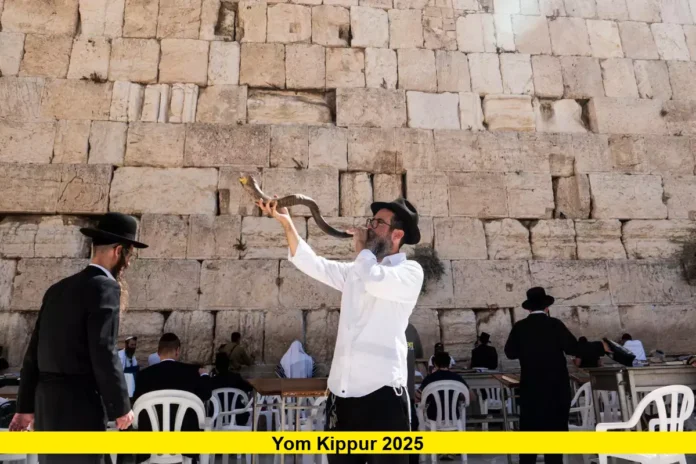
Yom Kippur, the Day of Atonement, begins at sundown on Wednesday, October 1, 2025, and ends after nightfall on Thursday, October 2, 2025. For Jewish communities across the United States, this sacred holiday is the most solemn day of the year, marked by fasting, prayer, and reflection. Yom Kippur provides a spiritual pause in the busy rhythm of modern life, inviting millions to reflect on the past year, seek forgiveness, and chart a course for renewal.
Table of Contents
Why Yom Kippur Holds Special Importance
Yom Kippur is the holiest date on the Jewish calendar. It comes just ten days after Rosh Hashanah, the Jewish New Year, and concludes the Ten Days of Repentance — a period dedicated to introspection and moral evaluation.
Tradition teaches that on Rosh Hashanah, the “Book of Life” is opened, and on Yom Kippur, it is sealed. The day offers a final opportunity to ask forgiveness from God and from other people, to confess shortcomings, and to commit to living with greater integrity in the year ahead.
The solemn nature of the holiday sets it apart from other celebrations. While many Jewish holidays feature festive meals and joyous gatherings, Yom Kippur centers on self-denial and prayer. By fasting and abstaining from physical pleasures, worshippers focus inward, seeking spiritual clarity and reconnection with their values.
When Yom Kippur Takes Place in 2025
In 2025, Yom Kippur begins at sunset on October 1 and concludes at nightfall on October 2.
Because Jewish observances are tied to the lunar calendar, the exact dates shift each year. Yet the core rituals remain consistent, uniting Jewish communities across the world in simultaneous observance.
For U.S. communities, approximate fasting times in 2025 are as follows:
- New York City: 6:19 P.M. (Oct 1) – 7:40 P.M. (Oct 2)
- Los Angeles: 6:19 P.M. (Oct 1) – 7:13 P.M. (Oct 2)
- Chicago: 6:27 P.M. (Oct 1) – 7:15 P.M. (Oct 2)
- Washington, D.C.: 6:32 P.M. (Oct 1) – 7:28 P.M. (Oct 2)
These timings vary slightly depending on geography, but all are based on sunset and nightfall. Many synagogues publish precise schedules so congregants can prepare accordingly.
How the Day Is Observed
The observances of Yom Kippur are built around spiritual cleansing and reconciliation. The key practices include:
- Fasting: A complete fast lasts about 25 hours. Observers abstain from food and drink, including water.
- Prayer Services: Synagogues hold extended services throughout the holiday, beginning with the Kol Nidre prayer on the evening of October 1 and concluding with Ne’ilah, the closing service, on October 2.
- Wearing White: Many choose white clothing or a robe known as a kittel to symbolize purity and new beginnings.
- Confession and Forgiveness: Communal confessions of sin are recited, and individuals are urged to seek forgiveness directly from those they may have wronged.
- Shofar Blowing: The sounding of the shofar at the end of Yom Kippur signifies the close of the holiday and the sealing of prayers.
These rituals allow participants to focus on the spiritual essence of life, moving away from material concerns and toward inner growth.
The Spiritual Themes of Yom Kippur
At the heart of Yom Kippur is the concept of teshuvah, meaning repentance or return. This involves acknowledging mistakes, expressing regret, asking forgiveness, and committing to change.
Key themes include:
- Accountability: Taking responsibility for personal actions over the past year.
- Forgiveness: Extending and seeking forgiveness from others.
- Renewal: Beginning the new year with a sense of spiritual clarity and purpose.
- Humility: Recognizing human limitations and striving for self-improvement.
By embracing these principles, Yom Kippur becomes not just a ritual, but a deeply personal and communal experience of transformation.
Health, Accessibility, and Participation
While fasting is central, Jewish law recognizes that health comes first. Those who are ill, pregnant, elderly, or otherwise unable to safely fast are exempt. Many rabbis emphasize that protecting life and health is itself a sacred duty.
Communities also work to ensure accessibility for all. Synagogues across the United States offer services with sign language interpreters, accessible seating, and virtual participation options for those unable to attend in person. These efforts reflect the inclusive spirit of the holiday, ensuring that everyone can engage in meaningful observance.
Yom Kippur and Community Life in the U.S.
In the United States, Yom Kippur is widely recognized beyond the Jewish community. Schools in districts with large Jewish populations often close for the day, and workplaces may adjust schedules to allow observance. Public figures, from athletes to politicians, sometimes speak about the significance of the holiday, drawing attention to its broader moral lessons.
For Jewish Americans, the day is also a time of gathering. Families attend synagogue together, and even those who are not religiously observant often choose to participate, feeling the pull of tradition and community.
Security and Awareness During the High Holy Days
With synagogues experiencing some of their largest gatherings of the year during Yom Kippur, many communities take extra steps to ensure safety. Synagogues coordinate with local law enforcement, add security personnel, and remain vigilant so worshippers can focus on prayer without concern.
This reflects both the challenges and resilience of Jewish life in America. Despite concerns, the High Holy Days continue to draw strong attendance, reinforcing a sense of unity and faith within communities.
Yom Kippur and American Culture
The impact of Yom Kippur can be felt across American cultural life. Sporting events, concerts, and other large gatherings sometimes overlap with the holiday, creating personal dilemmas for observant Jews.
This year, the overlap with baseball playoffs once again sparks discussion about priorities. Rabbis and community leaders encourage Jewish fans to place religious observance first, reminding them that games can be recorded or watched later, but Yom Kippur comes only once a year.
Historic examples continue to inspire. In 1965, baseball pitcher Sandy Koufax famously chose not to play in the World Series because it fell on Yom Kippur. His decision remains a powerful reminder of the strength of faith and tradition.
The End of the Fast
When nightfall arrives on October 2, the shofar is sounded, bringing the solemn holiday to a close. Families often gather immediately for a festive meal to break the fast. Traditional foods may include bagels, fish, soups, and sweet baked goods, symbolizing hope for a sweet and fulfilling year ahead.
This transition — from fasting and solemnity to eating and joy — mirrors the essence of Yom Kippur itself: from reflection and repentance to forgiveness and renewal.
Why Yom Kippur Matters in Today’s World
In 2025, the messages of Yom Kippur feel particularly timely. With global tensions, personal struggles, and societal divides, the call to humility, forgiveness, and moral accountability resonates deeply.
Yom Kippur reminds us that renewal is possible — not just for individuals but for entire communities. The holiday invites people to pause, reflect on their actions, repair what is broken, and step forward into the future with clarity and hope.
Yom Kippur 2025 is more than a date on the calendar — it is a moment of spiritual renewal, personal responsibility, and community unity. As Jewish communities across the United States gather to fast, pray, and reflect, the message of forgiveness and renewal echoes far beyond the synagogue walls.
How will you and your community observe Yom Kippur this year? Share your reflections below and join the conversation to keep the spirit of the holiday alive.

