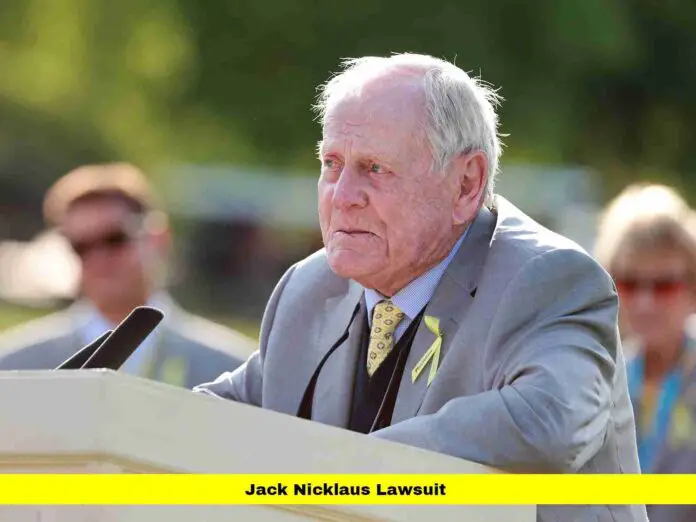
Golf legend Jack Nicklaus has emerged victorious in a high-profile legal battle, winning a $50 million defamation lawsuit against Nicklaus Companies. The jury in Palm Beach County, Florida, ruled in favor of Nicklaus, confirming that false statements from the company had harmed his reputation and professional image. This lawsuit sheds light on the challenges public figures face in protecting their name and legacy, even against companies they once helped build.
Table of Contents
Background of the Jack Nicklaus Lawsuit
The roots of the dispute date back to 2007 when Jack Nicklaus sold his company, Nicklaus Companies, to billionaire Howard Milstein. The sale included full rights to the Nicklaus name and a non-compete clause that restricted Nicklaus from re-entering the golf business for a set period. That clause expired in 2022, opening the door for Nicklaus to pursue new ventures in the golf industry.
Tensions quickly escalated when Nicklaus began engaging in discussions with LIV Golf, a Saudi-backed professional golf league. Nicklaus Companies claimed this violated the terms of their previous agreement and filed a lawsuit. In response, Nicklaus countersued, alleging that his former company had made false and damaging claims about him, triggering the defamation case that ultimately led to the $50 million jury award.
False Allegations and Damage to Reputation
Jack Nicklaus’s legal team outlined the damaging claims made by Nicklaus Companies during the trial. These included allegations that he had considered a $750 million offer to join LIV Golf and that he was suffering from cognitive decline. The jury concluded these claims were untrue and caused significant harm to Nicklaus’s reputation as one of the most respected figures in professional golf.
Defamation cases hinge on proving that statements are false and damaging, and Nicklaus’s case illustrated how reputational harm can extend beyond financial loss. Public perception, endorsement opportunities, and personal credibility are all at stake when false statements are circulated about a high-profile figure.
Jury Verdict and Award Details
The jury awarded Jack Nicklaus $50 million, one of the largest defamation awards in sports history. This verdict sends a strong message that false statements about public figures, particularly when made by former business associates, carry significant legal consequences.
While the company was held liable for defamation, the jury did not impose personal liability on Howard Milstein or Andrew O’Brien, the executives who managed Nicklaus Companies. The decision highlights the legal distinction between organizational and individual responsibility in cases involving public statements.
Significance for the Golf Industry
The outcome of the Jack Nicklaus lawsuit has broader implications for the professional golf industry. Golfers, course designers, and business executives can take note of how reputational damage can influence personal and professional opportunities.
- Protection of Name and Brand: Public figures like Nicklaus rely on their personal brand for endorsements, partnerships, and business ventures. False claims threaten that brand and can have long-term financial repercussions.
- Legal Accountability: Companies and executives are reminded that spreading misinformation about public figures can lead to substantial financial penalties.
- Industry Awareness: This case raises awareness within the golf industry about the importance of handling disputes privately and responsibly, particularly when they involve high-profile individuals.
Timeline of Events Leading to the Lawsuit
Understanding the sequence of events provides insight into why the case escalated:
- 2007: Nicklaus sells Nicklaus Companies, including rights to his name, to Howard Milstein. A non-compete clause is included in the agreement.
- 2022: The non-compete clause expires, allowing Nicklaus to re-engage with the golf industry.
- Early 2025: Nicklaus begins discussions with LIV Golf, prompting claims from Nicklaus Companies that he breached his prior agreement.
- Mid-2025: Nicklaus files a defamation lawsuit, asserting that false claims about his health and financial decisions were damaging his reputation.
- October 2025: Jury awards $50 million to Jack Nicklaus, finding Nicklaus Companies liable for defamation.
This timeline demonstrates how contractual agreements, business strategy, and public statements can intersect to create complex legal scenarios.
Impact on Jack Nicklaus Personally and Professionally
Winning the lawsuit represents more than a financial victory for Nicklaus. It restores his public image and reaffirms his standing as a respected figure in golf. Protecting one’s reputation is essential for athletes and business leaders who rely on personal credibility to maintain influence and legacy.
The case also allows Nicklaus to continue his professional pursuits without the shadow of false allegations. Rebuilding trust with partners, sponsors, and the public becomes easier once the legal record clears his name.
Lessons Learned from the Lawsuit
The Jack Nicklaus lawsuit offers several lessons for business leaders, athletes, and public figures:
- Clear Contractual Terms: Non-compete clauses and agreements must be carefully drafted to avoid disputes years later.
- Defending Reputation: Even after selling a company, a public figure’s name and image remain valuable and must be defended.
- Legal Risks of Misinformation: Companies must carefully consider the impact of statements made about former associates, especially when reputations and financial interests are at stake.
- Long-Term Implications: Legal battles can last years, and reputational harm can continue even after contractual obligations expire.
Nicklaus’s Future in Golf
Following the verdict, Jack Nicklaus is expected to continue engaging with the golf industry on his own terms. While the lawsuit has concluded, the case serves as a precedent for others in sports and business who may face similar defamation or contractual disputes.
Fans and industry insiders are closely watching how Nicklaus leverages this victory. His legacy as a golfer and entrepreneur remains intact, and this legal win reinforces his ability to navigate complex business environments.
Conclusion
The Jack Nicklaus lawsuit highlights the importance of reputation, legal protections, and accountability in business relationships. Winning a $50 million defamation verdict allows Nicklaus to protect his name and legacy while sending a clear warning to companies about the consequences of false statements. For public figures and business leaders alike, this case demonstrates that defending one’s reputation is not just personal—it is a crucial component of professional success.
Jack Nicklaus’s story continues to inspire, showing that even in complex legal battles, integrity and persistence can lead to meaningful victories. Readers and fans can follow developments and witness how this golf legend continues to shape the industry and protect his enduring legacy.

