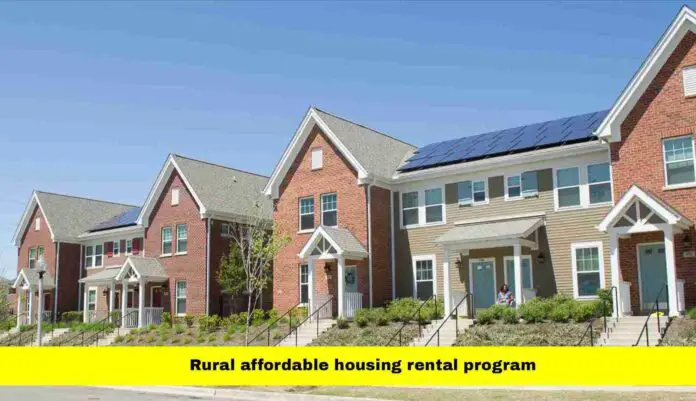
The rural affordable housing rental program remains a cornerstone for ensuring access to safe, affordable housing in sparsely populated areas. In 2025, these programs are adapting to meet growing demand, incorporate modern financing structures, and address unique rural challenges. Rising housing costs and limited rental options make these programs essential for community stability, economic growth, and social well-being.
Table of Contents
Key Points Summary
- Federal and state funding is expanding to support new construction and rehabilitation projects in rural communities.
- Programs now emphasize long-term preservation of existing rental stock and continuity of affordability.
- Innovative state-level approaches focus on small-scale projects tailored for local rural needs.
- Digital platforms simplify applications, approvals, and compliance, increasing accessibility for developers and tenants.
- Energy efficiency and climate-resilient construction are becoming standard requirements in rural housing initiatives.
- Public-private partnerships and community land trusts enhance funding efficiency and housing sustainability.
Understanding Rural Affordable Housing Rental Programs
Rural affordable housing rental programs provide financial support, rental assistance, and incentives for the construction, rehabilitation, or preservation of rental housing in rural areas. They are designed to serve low- and moderate-income families in communities where private investment is limited or unprofitable.
The programs operate at multiple levels:
- Federal – Administered by USDA Rural Development, HUD, or other agencies, often providing loans, guarantees, and rental subsidies.
- State – Tailored initiatives that address local housing gaps, often including smaller-scale projects and flexible funding.
- Local – Municipal partnerships, nonprofits, and community organizations that manage or support rental projects.
These programs help stabilize communities, prevent displacement, and create opportunities for families to thrive in their rural hometowns.
Federal Programs and Policy Shifts in 2025
Several federal initiatives form the backbone of rural affordable rental housing:
- Direct Loan Programs – Provide low-interest loans to developers or nonprofits to construct or rehabilitate rental units.
- Loan Guarantee Programs – Encourage private lenders to invest by reducing financial risk, including Section 538 guarantees for multifamily projects.
- Rental Assistance Programs – Subsidize tenant rents to maintain affordability, such as Section 521 rental assistance.
- Self-Help Housing Programs – Enable individuals to participate in constructing their own homes, reducing costs and fostering community engagement.
Recent policy shifts focus on sustainability, digital modernization, and streamlined application processes. These changes help reduce development timelines and administrative burden, ensuring that funding reaches projects efficiently.
State-Level Innovations: Small-Scale Rural Projects
Some states have launched programs specifically for small rural projects, typically under twenty units. This model addresses the reality that large-scale developments are often impractical in low-density areas.
Benefits of small-scale programs include:
- Accessibility – Smaller projects allow nonprofits and small developers to participate without requiring massive capital.
- Flexibility – Developers can adapt designs to meet local needs, including varying unit sizes and accessibility requirements.
- Targeted Impact – Projects are concentrated in high-need areas, ensuring resources reach underserved communities.
These initiatives are proving effective in closing the gap where traditional Low-Income Housing Tax Credit (LIHTC) projects may not reach.
Preservation Strategies and Long-Term Affordability
Preservation of existing rural rental housing is critical. Many USDA-financed properties are nearing mortgage maturity, risking the loss of affordability. Preservation strategies in 2025 include:
- Decoupled Rental Assistance (SARA Contracts) – Maintains project-based rental subsidies after loan maturity without requiring active debt.
- Rehabilitation Grants – Fund updates to aging housing, including structural improvements and energy efficiency upgrades.
- Compliance Monitoring – Ensures that properties remain affordable and meet tenant eligibility requirements over time.
Preservation initiatives help maintain stable rental options and prevent displacement in rural communities where housing supply is already limited.
Digital Modernization and Improved Accessibility
Digital tools have transformed rural affordable housing programs in 2025. Online platforms streamline applications, eligibility verification, and compliance tracking.
Advantages include:
- Faster approval timelines for developers and tenants.
- Enhanced transparency on program requirements, funding availability, and eligibility.
- Reduced paperwork and administrative costs.
- Better tracking of long-term compliance and preservation efforts.
Digital modernization increases access to programs for rural residents and reduces barriers that historically slowed project implementation.
Financial Impact and Funding Challenges
Budget allocations for 2025 have increased, supporting both new construction and preservation projects. This includes higher loan limits, expanded rental assistance, and grants for smaller-scale rural projects.
However, challenges persist:
- Infrastructure Costs – Utilities, water, sewer, and broadband improvements are more expensive in remote areas.
- Construction Costs – Rising labor and material prices increase project expenses.
- Funding Volatility – Federal and state appropriations can fluctuate, affecting long-term planning.
- Market Limitations – Small populations limit rental demand, increasing financial risk for developers.
Despite these challenges, targeted investments, combined with innovative financing approaches, continue to make these programs viable.
Energy Efficiency and Climate Resilience
Modern rural housing programs increasingly prioritize sustainability. New construction and renovations often include:
- Energy-efficient appliances and insulation.
- Solar panels or renewable energy integration.
- Designs resilient to storms, flooding, and extreme temperatures.
The benefits of energy-efficient, climate-resilient housing include lower utility bills, reduced environmental impact, and long-term affordability for tenants.
Economic and Social Benefits
Rural affordable housing rental programs generate significant community benefits:
- Employment – Construction, renovation, and property management create jobs.
- Stable Communities – Reliable housing supports school enrollment, local businesses, and community cohesion.
- Population Retention – Affordable housing prevents outmigration of young families and workforce members.
- Health and Safety – Quality housing reduces health risks, improves well-being, and increases resident stability.
These impacts extend beyond individual families, strengthening local economies and social infrastructure.
Challenges and Opportunities in 2025
Rural affordable housing faces ongoing challenges:
- Thin rental markets and low population density.
- Aging housing stock requiring expensive repairs or upgrades.
- Regulatory complexity and evolving compliance standards.
- Limited local financial capacity in smaller communities.
Opportunities to overcome these barriers include:
- Creative partnerships with nonprofits, municipalities, and private lenders.
- Adaptive reuse of vacant buildings, schools, or commercial spaces.
- Community land trusts to preserve long-term affordability.
- Innovative financing, including layered funding from federal, state, and local sources.
By addressing these challenges strategically, rural programs can continue expanding access to safe, affordable housing.
Case Study: Effective State-Level Rural Programs
State-level rural rental programs provide models for scalable solutions. Features include:
- Project sizes tailored to local populations, often under twenty units.
- Partnerships with nonprofits and local developers to leverage funding and expertise.
- Income targeting for households at or below 80% of area median income.
- Technical support and simplified compliance mechanisms for smaller developers.
These programs demonstrate that well-designed, locally responsive initiatives can deliver meaningful impact, even in remote rural areas.
Best Practices for Developers and Stakeholders
Developers participating in rural affordable housing rental programs should consider:
- Conducting thorough market analyses to assess demand.
- Forming strategic partnerships with local organizations and municipalities.
- Incorporating energy-efficient, sustainable, and resilient design practices.
- Utilizing digital platforms for applications, compliance, and reporting.
- Monitoring federal and state funding opportunities to maximize support.
These best practices help ensure project success, tenant satisfaction, and long-term sustainability.
Future Outlook for Rural Affordable Housing Programs
The outlook for 2025 and beyond is cautiously optimistic:
- Expansion of small-scale projects tailored to local needs.
- Enhanced digital tools for application, approval, and compliance management.
- Continued focus on preservation and long-term affordability.
- Greater alignment between federal, state, and local funding initiatives.
- Increased adoption of energy-efficient and climate-resilient construction methods.
These developments indicate that rural communities will have more secure access to safe, affordable rental housing in the years ahead.
Frequently Asked Questions
1. Who is eligible for rural affordable housing rental programs?
Eligibility generally depends on household income (typically 30–80% of area median income) and residence in USDA-designated rural areas.
2. What support is provided?
Programs offer loans, loan guarantees, rental assistance, rehabilitation grants, and self-help housing options.
3. How are energy efficiency and climate resilience addressed?
New programs encourage or require energy-efficient appliances, insulation, sustainable construction, and resilient designs to reduce costs and environmental impact.
Disclaimer
This article is for informational purposes only and does not constitute legal, financial, or housing advice. Program rules, eligibility, and funding are subject to change. Always consult official program documentation or administrators before applying or investing in rural affordable housing rental projects.

