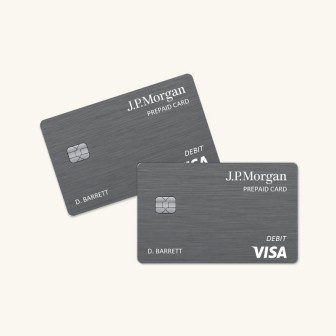
Finding a “JPMCB Card” entry on your credit report can be confusing—especially if you do not recognize the name immediately. Many consumers panic when they see unfamiliar accounts listed under their credit history, but in many cases, the explanation is legitimate.
JPMCB stands for JPMorgan Chase Bank, one of the largest financial institutions in the United States. If you see “JPMCB Card” on your report, it usually means you have applied for, opened, or are associated with a credit card issued by Chase.
However, there are situations where the entry may signal fraud, identity theft, or unauthorized activity. Understanding why it appears and what steps to take is important for protecting your financial health.
Table of Contents
What Does JPMCB Mean on a Credit Report?
“JPMCB” is shorthand for JPMorgan Chase Bank. The term often appears on credit reports when Chase checks your credit during a credit card application or when an existing Chase account is reported to the credit bureaus.
Common examples include:
- Chase Freedom cards
- Chase Sapphire cards
- Amazon Visa cards issued by Chase
- Southwest Airlines credit cards
- Disney Visa cards
- Business credit cards from Chase
Even if the card carries another brand name, the issuing bank may still report it as JPMCB.
Why Would JPMCB Appear on Your Credit Report?
There are several possible reasons.
You Applied for a Chase Credit Card
If you recently applied for a Chase-issued credit card, the bank likely performed a hard inquiry on your credit report.
Hard inquiries can temporarily lower your credit score by a few points.
Typical wording may include:
- JPMCB CARD
- JPMCB AUTO
- JPMCB CARD SERVICES
You Already Have a Chase Credit Card
Existing credit card accounts are regularly reported to credit bureaus. Even older accounts may continue appearing for years while active.
This is the most common reason consumers notice JPMCB on their reports.
You Are an Authorized User
Someone may have added you as an authorized user on their Chase credit card account.
For example:
- A parent helping a child build credit
- A spouse sharing household expenses
- A business owner adding employees
In these situations, the account can appear on your report even if you never personally applied for the card.
Possible Identity Theft or Fraud
If you do not recognize the account or inquiry at all, it could indicate unauthorized activity.
Warning signs include:
- New accounts you never opened
- Unknown addresses
- Incorrect personal information
- Unexpected drops in your credit score
- Collection notices for unfamiliar debts
Fraudulent accounts should be investigated immediately.
Key Points Summary
╔════════════════════════════════════════════════════════════════════╗
║ – JPMCB stands for JPMorgan Chase Bank on credit reports. ║
║ – It commonly appears after applying for or using a Chase credit card. ║
║ – Authorized user accounts may also create a JPMCB entry. ║
║ – Unrecognized JPMCB inquiries could indicate fraud or identity theft. ║
║ – Consumers should review all unfamiliar credit report activity carefully. ║
╚════════════════════════════════════════════════════════════════════╝
Real-World Example
Sarah from Texas checked her credit score before applying for a mortgage and noticed a “JPMCB Card Services” inquiry she did not recognize.
At first, she feared identity theft. After reviewing her records, she realized she had recently applied for an Amazon Rewards Visa card during an online checkout process. Because the card was issued through Chase, the inquiry appeared as JPMCB instead of Amazon.
In another case, a consumer discovered multiple JPMCB entries that were completely unfamiliar. After contacting the credit bureau and Chase, investigators confirmed fraudulent applications using stolen personal information. The consumer froze their credit and disputed the accounts successfully.
These examples show why verifying unfamiliar entries quickly is important.
How to Check if the JPMCB Entry Is Legitimate
Start by reviewing your recent financial activity.
Ask yourself:
- Did you apply for any credit cards recently?
- Did you finance a purchase through Chase?
- Were you added as an authorized user?
- Did you respond to any pre-approved credit offers?
You should also compare dates and account details on your report.
Practical Steps to Take
Review Your Full Credit Report
Obtain reports from all three major bureaus:
- Experian
- Equifax
- TransUnion
Look for matching accounts or inquiries.
Contact Chase Directly
If you still do not recognize the entry, contact Chase customer service and request details connected to the inquiry or account.
Be prepared to verify:
- Your identity
- Social Security number
- Address history
Dispute Unauthorized Accounts
If the account is fraudulent:
- File a dispute with the credit bureau
- Contact Chase fraud support
- Request account closure
- Keep copies of all correspondence
Most disputes can be filed online.
Freeze Your Credit
A credit freeze helps prevent unauthorized applications.
This step is especially useful if:
- Your personal information was stolen
- You suspect identity theft
- Multiple unknown inquiries appear
Monitor Your Credit Regularly
Credit monitoring services can alert you to:
- New inquiries
- Account openings
- Score changes
- Suspicious activity
Early detection significantly reduces long-term damage.
Can JPMCB Hurt Your Credit Score?
A legitimate hard inquiry may slightly lower your score temporarily.
However, the effect is usually small and often fades within months.
The bigger concern is unauthorized activity. Fraudulent accounts can seriously damage your credit if ignored.
Factors that may impact your score include:
- Payment history
- Credit utilization
- Number of inquiries
- Length of credit history
How Long Does JPMCB Stay on a Credit Report?
It depends on the type of entry.
Hard Inquiry
Usually remains for about two years.
Credit Card Account
Can remain for years depending on account status and payment history.
Positive accounts may continue helping your score over time.
When Should You Worry?
You should investigate immediately if:
- You never applied for a Chase-related card
- Multiple inquiries appear suddenly
- Your credit score drops sharply
- Debt collectors contact you unexpectedly
- Personal information changes without explanation
Quick action can prevent larger financial problems later.
Final Thoughts
Seeing “JPMCB Card” on your credit report is often completely normal, especially if you recently interacted with a Chase-issued credit card. Still, consumers should never ignore unfamiliar entries.
Reviewing your credit reports carefully, verifying account activity, and responding quickly to suspicious items can help protect your financial identity and maintain a healthy credit score.
FAQs
Why is there a JPMCB card on my credit report? You may have or previously had a Chase credit card. It may also indicate authorized user status, or potential errors or fraud.
What cards are issued by JPMCB? JPMCB issues Chase Freedom®, Chase Sapphire®, Chase Slate®, and various co-branded cards.
How do I remove JPMCB from my credit report? Dispute with credit bureaus if it’s an error, verify accuracy, and negotiate with lenders.
Is Chase part of JPMCB? Yes, Chase is under the JPMorgan Chase Bank, NA umbrella.
These simple steps can help you understand and manage your credit report effectively. Stay alert, stay informed, and ensure your financial records reflect an accurate and positive history. Share your experiences and advice with us – every little bit helps!

